Transparency International and AMAN Discuss Reform, Anti-Corruption Efforts and Accountability with the Government and Anti-Corruption Commission
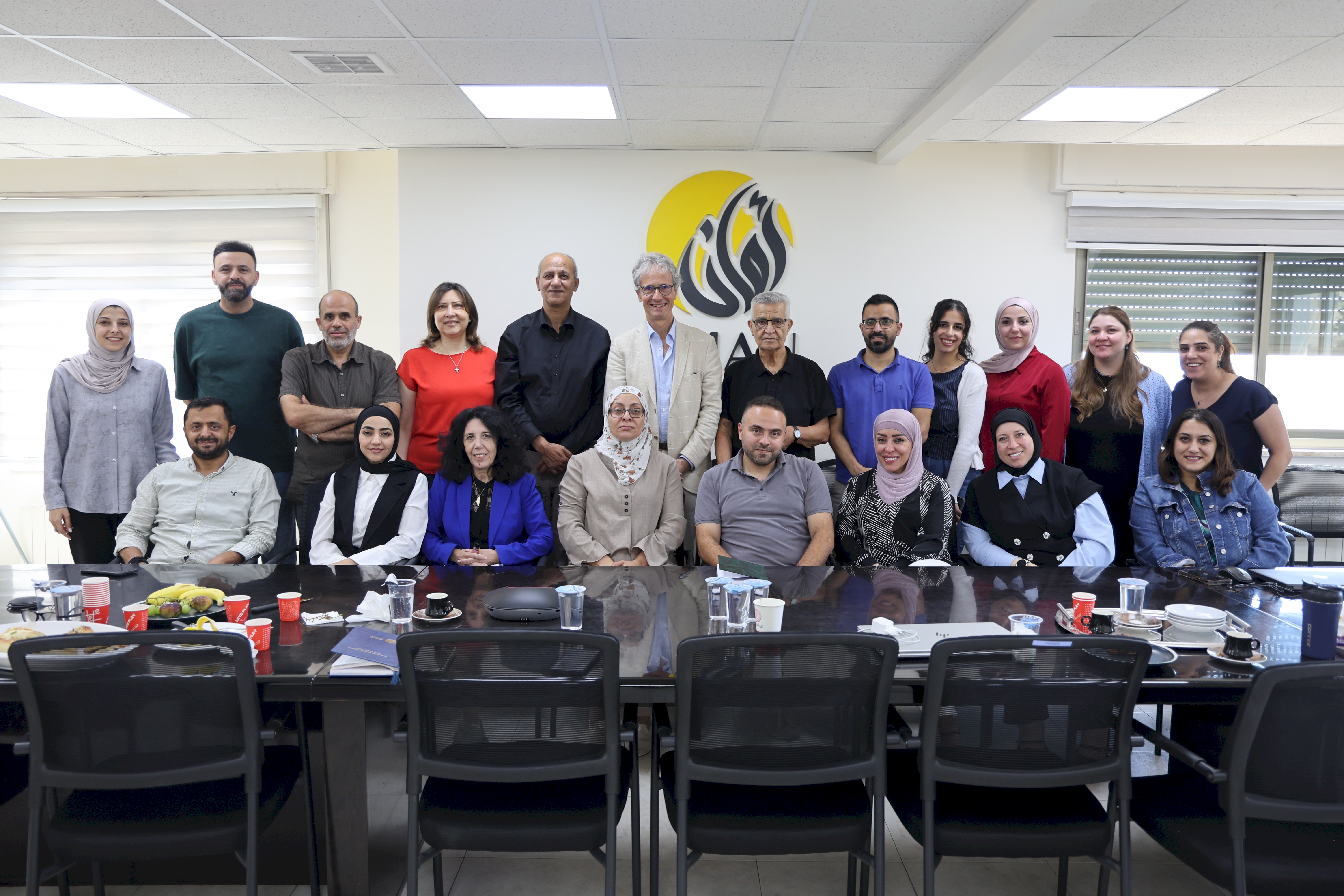
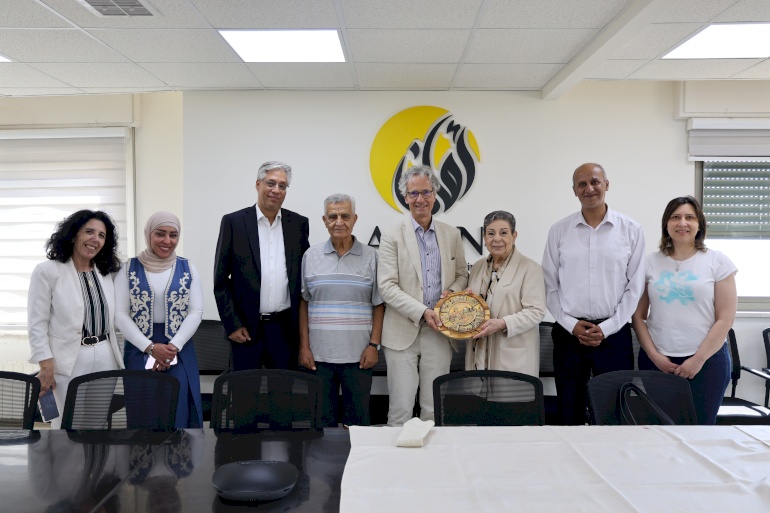
Ramallah – The Coalition for Accountability and Integrity (AMAN) organized a visit to Palestine by Transparency International Chair François Valérian, in light of developments concerning the Palestinian cause and the renewal of AMAN’s accreditation as Transparency International’s national chapter in Palestine for a three-year term.
The visit included meetings with Palestinian Prime Minister Dr. Mohammad Mustafa and Head of the Anti-Corruption Commission Dr. Raed Radwan, as well as meetings with directors of civil society organizations, in addition to AMAN’s executive team and Board of Directors.
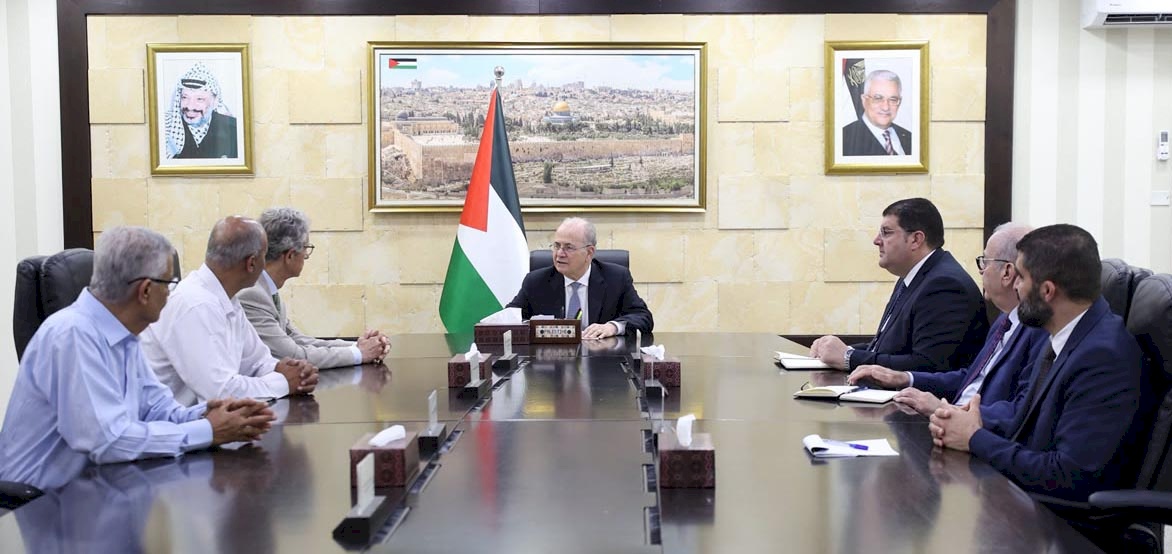
During his meeting with the Prime Minister, Valérian discussed the challenges facing the Palestinian government in advancing its reform efforts, foremost among them the occupation and the financial crisis facing the Palestinian Authority, amid the continued seizure of Palestinian clearance revenues by the occupation.
Transparency International and the AMAN Coalition raised a number of issues that they believe require accelerated action, foremost among them the adoption of the Right to Access Information Law, which would guarantee citizens’ right to access public information. They also stressed the need to amend the Companies Law to ensure disclosure of companies’ beneficial owners and help reduce the risks of conflicts of interest, particularly in cases where individuals holding senior positions in public, private, or civil society institutions have links to the activities of such companies, or where relationships arise between the public and private sectors. This issue is particularly important in light of preparations for the reconstruction phase in the Gaza Strip and the extensive tenders, procurement processes, and public-private partnerships that may accompany it.
The discussions also emphasized the importance of public officials and employees in public institutions disclosing conflicts of interest, as well as the need for a clear separation between public office and commercial activity. Any related activities should be subject to safeguards that prevent the abuse of public office for private gain.
Elections as an Entry Point for Reforming the System of Governance
In the context of reforming the system of governance, particularly with regard to ensuring a balanced separation of powers among the three branches of government, the meeting with the Prime Minister addressed the importance of holding elections as a fundamental step toward reforming the political system and an entry point for broader reforms. This would contribute to reviving legislative life and correcting the institutional structure of the Palestinian Authority.
The discussion also addressed the need to align the status of public institutions with the provisions of the Basic Law concerning their institutional references and lines of authority. Under the Basic Law, the government should serve as the primary authority for executive institutions, rather than the Office of the President. This includes key public institutions such as the Palestinian Broadcasting Corporation and the Petroleum Authority, among others.
Valérian and the AMAN Coalition affirmed that institutional reform can help bridge the trust gap between citizens and state institutions and strengthen Palestinian society’s resilience.
In light of the significant challenges facing the Palestinian people, the participants emphasized the importance of strengthening openness, dialogue, and participation between the government, civil society organizations, and different sectors of Palestinian society. Valérian commended the government’s approach in this regard, noting indications of a tangible improvement in the level of dialogue and participation in recent months. He also stressed the importance of respecting the rights to freedom of opinion and expression, assembly, and association—rights guaranteed by law to civil society organizations—and refraining from pursuing them through the courts under penal and cybercrime laws when they exercise their right to public participation, accountability, and expression of opinion.
The Occupation Constrains Law Enforcement Institutions’ Ability to Pursue Corruption Suspects
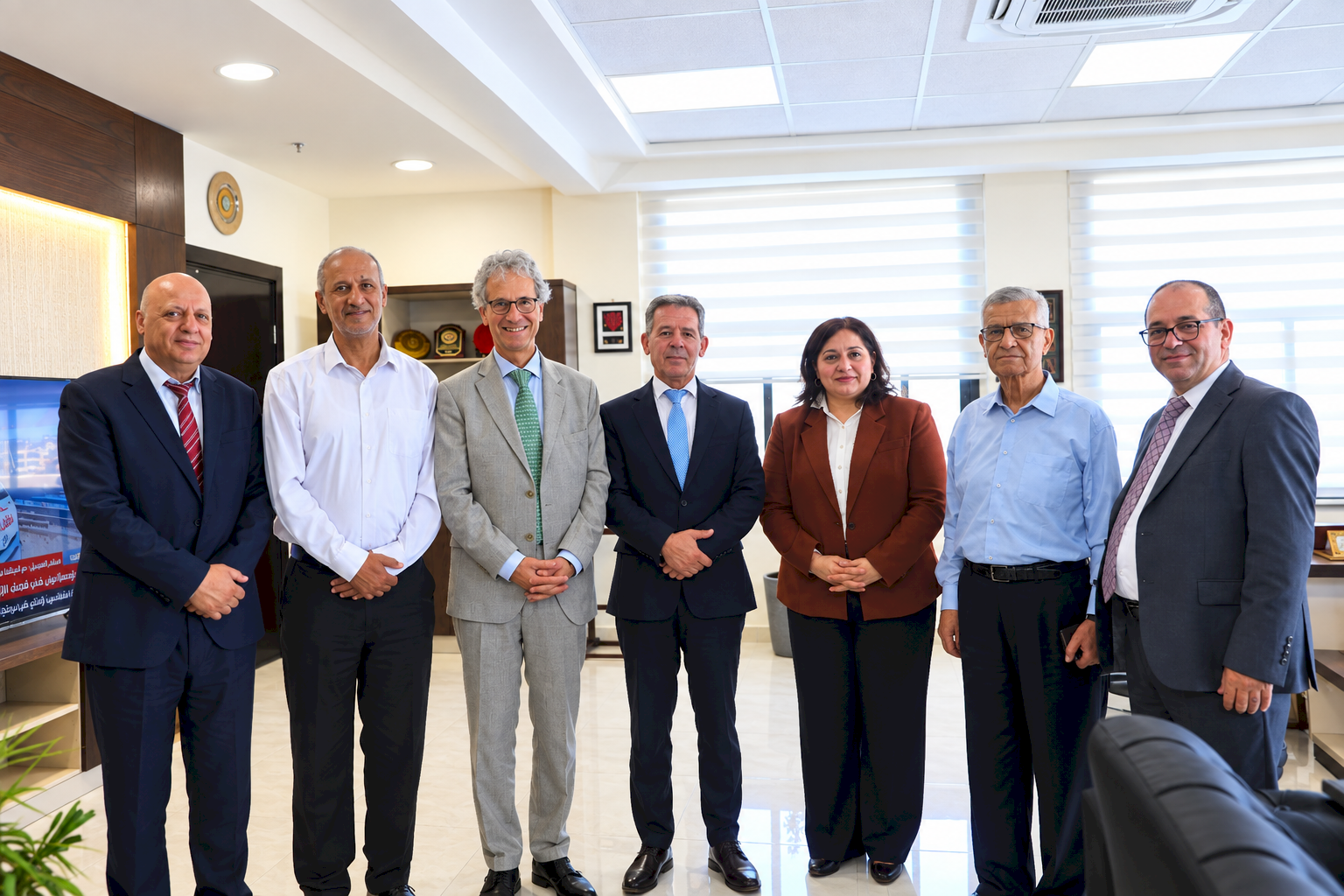
During the meeting with President of the Anti-Corruption Commission, Dr. Raed Radwan raised the challenges facing efforts to strengthen integrity and combat corruption, as well as ways to address them, alongside the impact of the Israeli occupation on the ability of Palestinian law enforcement institutions to carry out their duties.
Radwan noted that Palestinian legal jurisdiction extends across the territory of the State of Palestine, while the occupation continues to control crossings and borders and to fragment the West Bank. This limits the ability of law enforcement institutions to pursue and apprehend individuals accused of corruption crimes and to reach them across different areas, including the West Bank and the Gaza Strip.
The meeting also addressed the financial crisis engulfing the Palestinian Authority and its repercussions on the economic situation and the performance of public institutions. Measures resulting from the crisis—including reduced working hours in a number of public institutions, the judiciary and courts, and oversight institutions—have compounded the challenges of following up on cases amid a growing backlog.
Valérian commended the approach adopted by the Anti-Corruption Commission in engaging civil society organizations in the preparation of the 2025–2030 Cross-Sectoral National Strategy for Strengthening Governance and Combating Corruption, with the AMAN Coalition playing a leading role in contributing to the development of the strategy, its implementation plan, and its monitoring and evaluation framework.
The meeting also highlighted the importance of the step taken by the Palestinian government in adopting the comprehensive implementation plan for the strategy, prepared by the Anti-Corruption Commission in partnership with the various relevant stakeholders. This step enhances clarity regarding responsibilities and enables the accountability of the concerned parties for fulfilling the commitments set out in the plan.
The plan includes a monitoring and evaluation system involving a national team, contributing to stronger efforts to pursue perpetrators of corruption crimes and prevent impunity, while reinforcing collective responsibility for combating and reporting corruption. It also aims to strengthen the role of the Anti-Corruption Commission and national institutions in preventing and reducing corruption.
The discussion further examined in detail the respective roles of the Council of Ministers, the Anti-Corruption Commission, and the national team overseeing the implementation of the strategy, as well as the importance of clearly defining powers and responsibilities in order to enhance the effectiveness of implementation, monitoring, and accountability.
At the conclusion of the meetings, participants emphasized the importance of continued cooperation between Transparency International, the AMAN Coalition, and various Palestinian and international institutions, particularly in light of the political, financial, and institutional challenges facing Palestine.
It is worth noting that Transparency International has adopted a resolution recognizing occupation as a driver and enabler of corruption. This underscores the importance of addressing the impact of occupation on integrity, governance, and anti-corruption systems in Palestine.