AMAN Discusses Compensation for Local Authority Heads and Council Members and Ways to Strengthen Governance
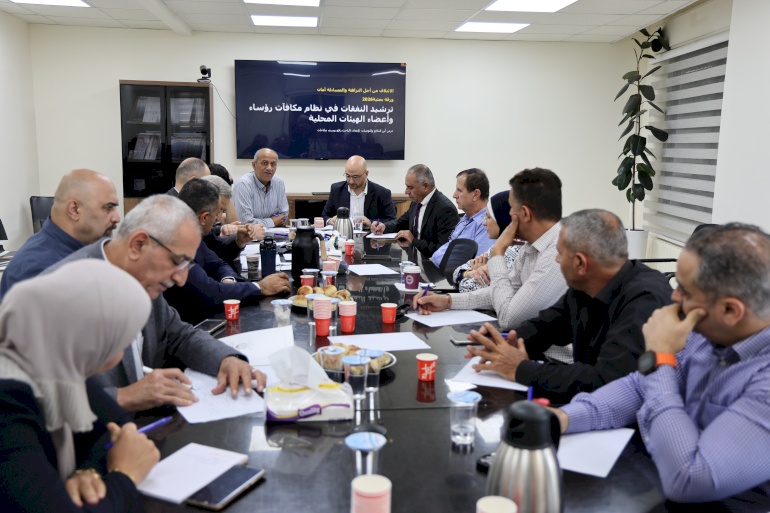
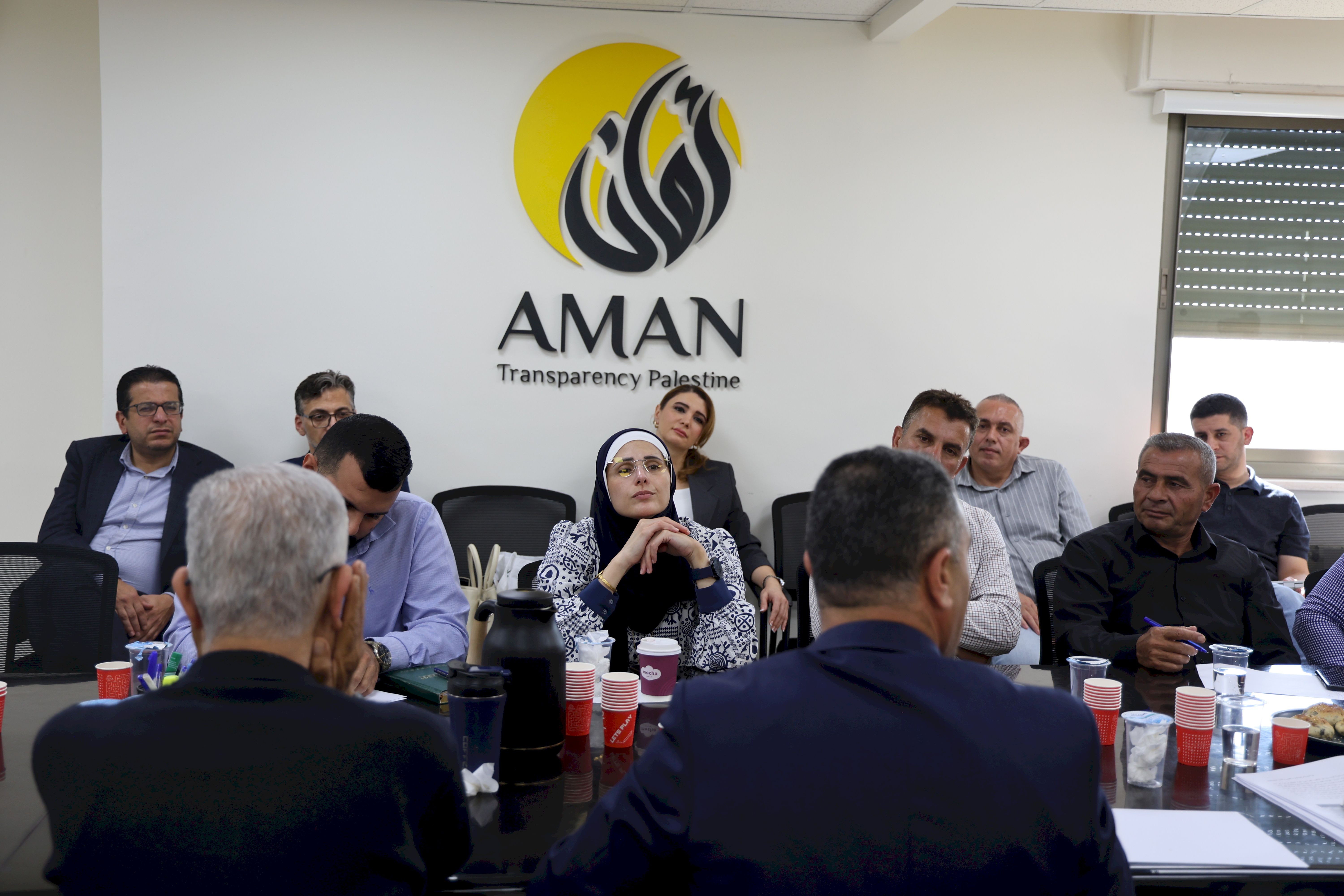
The Coalition for Accountability and Integrity (AMAN) held a discussion session to review a research paper titled “Expenditure Under the Compensation System for Local Authority Heads and Council Members.” The paper examined the compensation system currently in place, whether it is appropriate given the financial resources of Palestinian local authorities amid their ongoing financial crisis, and ways to improve spending efficiency while protecting resources earmarked for providing essential services to residents.
Opening the session, AMAN Executive Director Issam Haj Hussein said the paper was part of the Coalition’s efforts to support reform and strengthen residents’ resilience. These efforts include helping municipalities and other local authorities continue providing essential services, because these institutions are closest to residents and most closely connected to their daily needs.
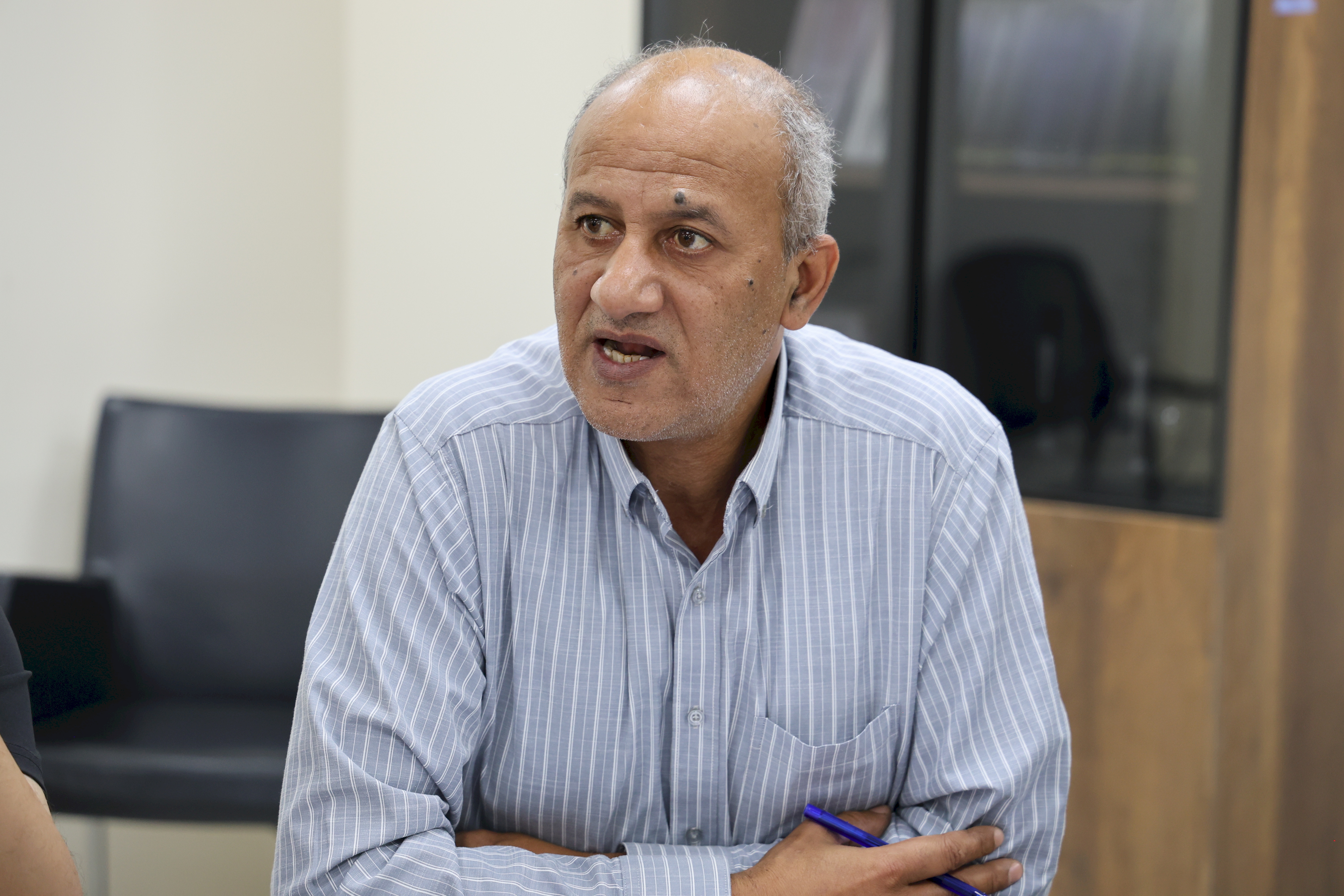
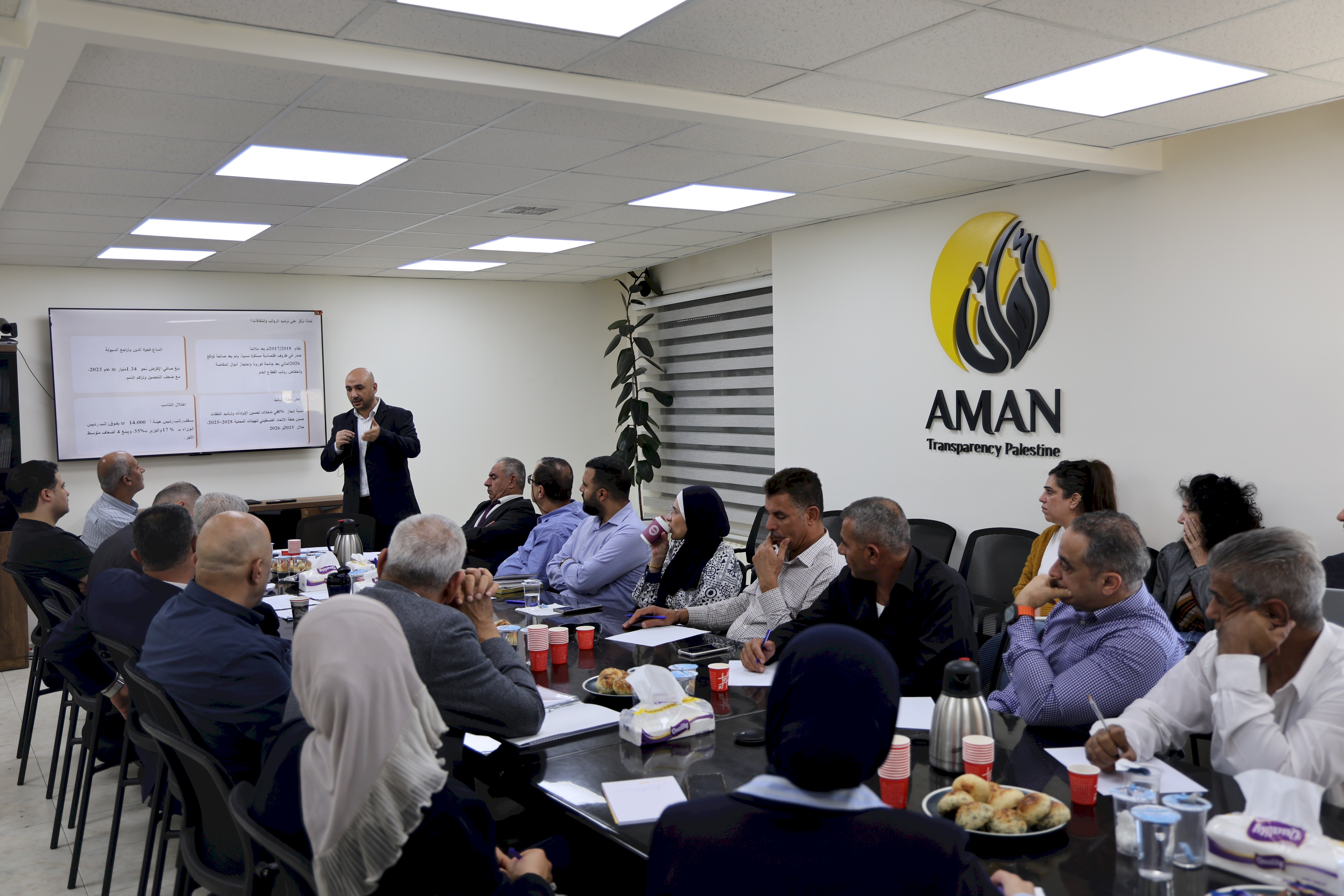
Researcher Rafe’ Youssef presented the paper’s main findings, highlighting the worsening financial challenges facing local authorities, particularly declining revenues, mounting debt, limited liquidity, and difficulties collecting their own revenues. He explained that these conditions call for a review of the compensation system in place since 2017, including its subsequent amendments. In particular, compensation is calculated on the basis of estimated budgets that may not reflect revenues actually collected or the true financial capacity of local authorities. Many local authority heads and council members also voluntarily forgo compensation or salaries because their authorities are in financial distress, demonstrating a strong spirit of solidarity and mutual support.
Aligning Compensation with Actual Financial Capacity
The paper emphasized the importance of taking account of differences in the financial circumstances and resources of local authorities, rather than imposing across-the-board reductions that fail to reflect the differences between municipalities and village councils. Instead, efforts should focus on curbing unjustified, undocumented, or unlawful expenditures.
It recommended reviewing the compensation system for heads and members of local authority councils and revising the way compensation is calculated so that it reflects revenues actually collected and each authority’s financial capacity, rather than relying solely on estimated budgets.
Strengthening Oversight and Regulating Allowances and Financial Benefits
The recommendations also called for clear instructions governing compensation for appointed committees, tighter controls on transportation and official-duty allowances, and measures to prevent duplicate allowance payments or the unjustified combination of financial benefits. They also proposed safeguards against splitting meetings into separate sessions for the purpose of increasing compensation.
The paper stressed the need to activate internal oversight units within local authorities and strengthen their independence, as well as to standardize the criteria governing compensation paid to joint committees. These steps would improve transparency and accountability in the management of financial resources.
Discussion and Proposals to Strengthen Governance and Spending Efficiency
Participants engaged in an extensive discussion of the paper’s findings and recommendations, offering observations and proposals to enrich the analysis and present a more accurate picture of local authorities’ financial circumstances. They also stressed the importance of adopting a comprehensive approach to evaluating expenditures and strengthening governance, transparency, and accountability in the management of local authorities’ financial resources.
The paper forms part of AMAN’s efforts to support reform and improve public financial management, ensuring the best possible use of available resources while preserving local authorities’ ability to provide essential services to residents.