From Problem Analysis... to Youth-Led Change
90 Young People Turn Corruption Issues from Everyday Problems into Pathways for Accountability and Change
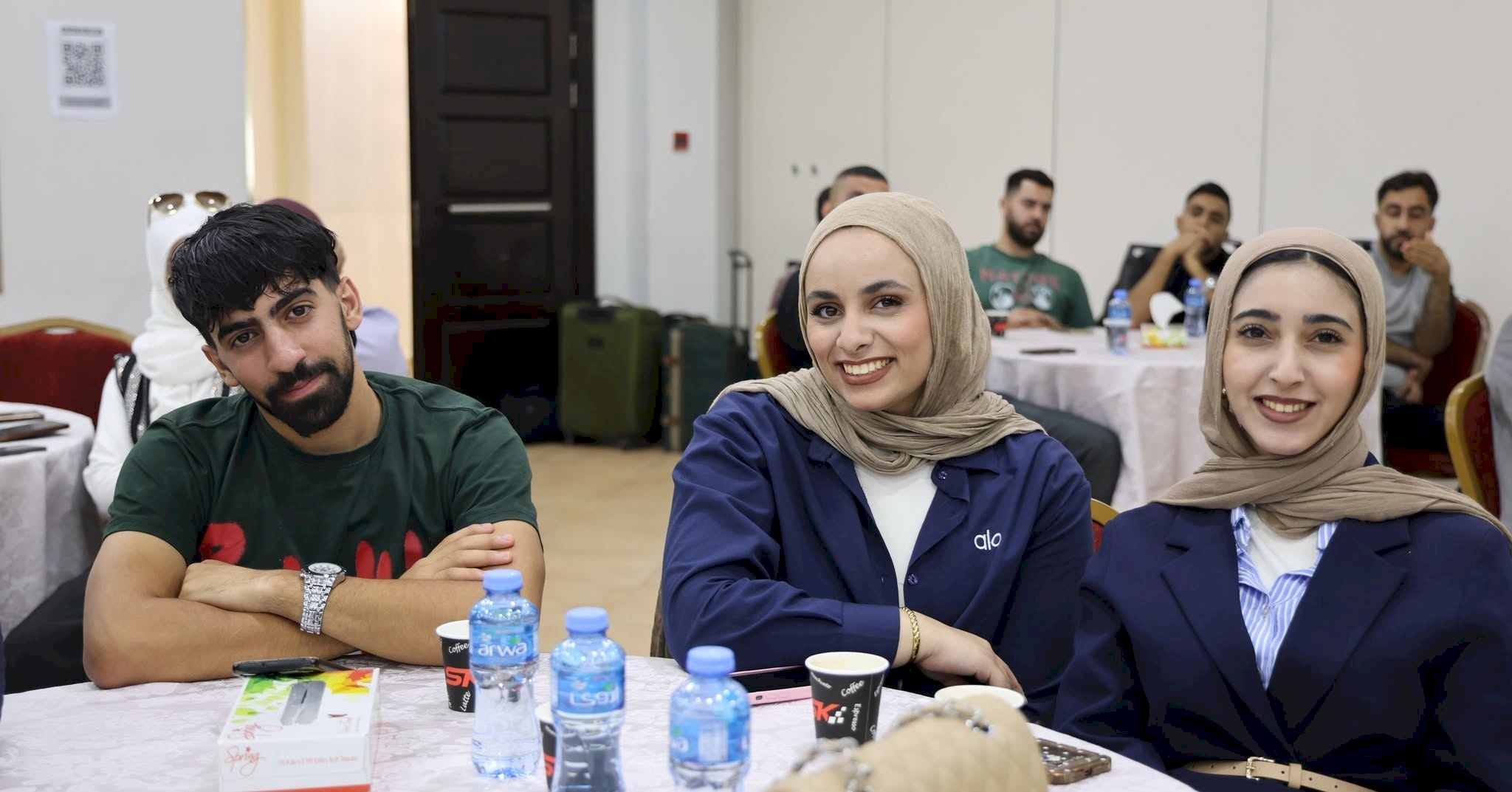
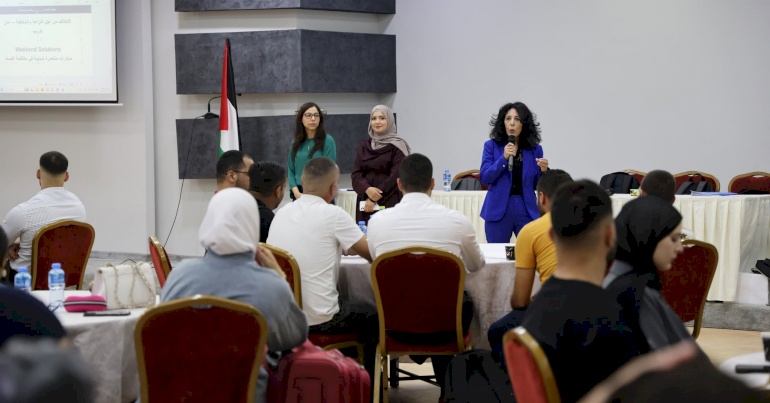
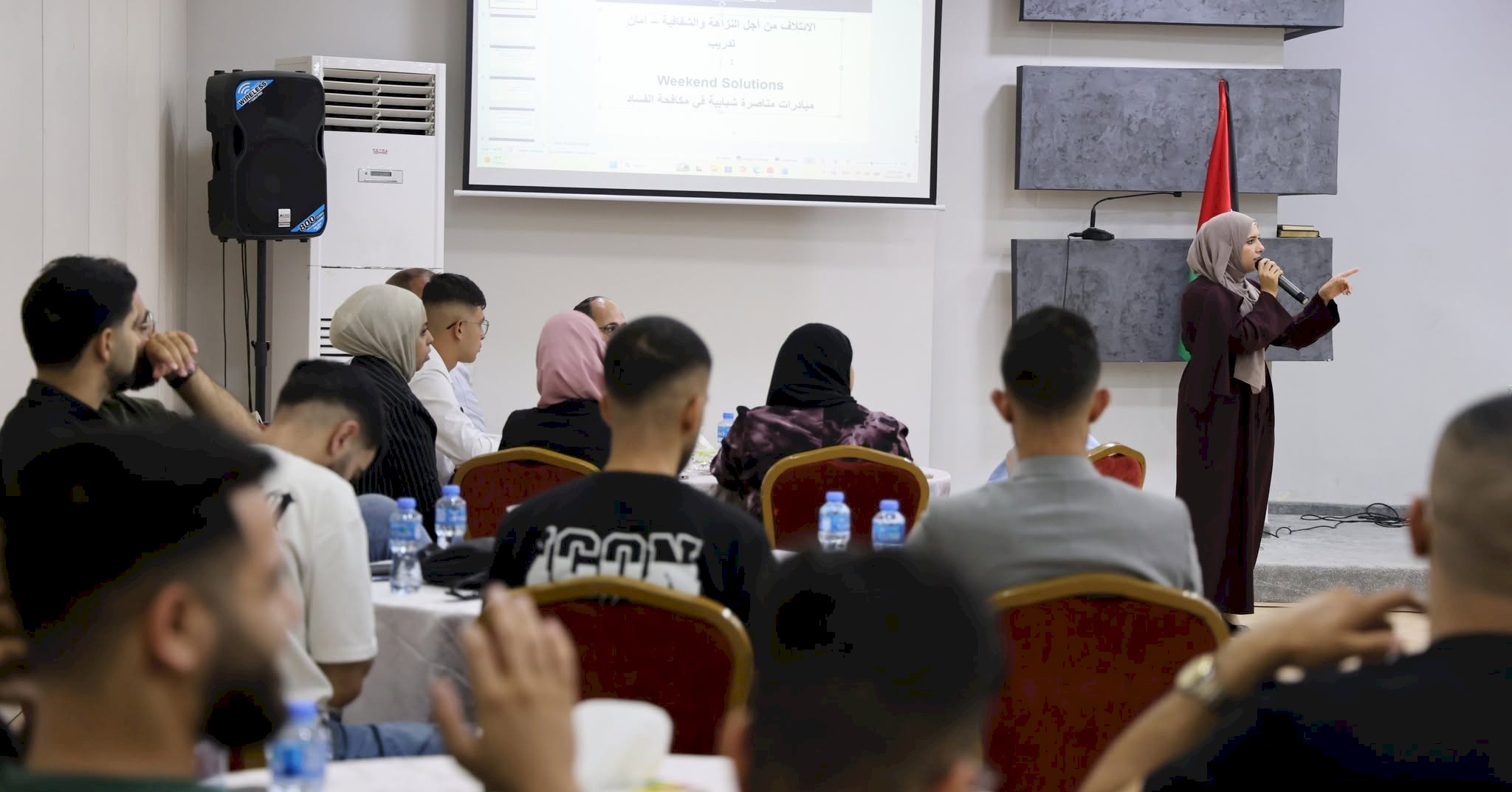
In Ramallah, around 90 young people from governorates across the West Bank took part in a training program organized by the Coalition for Integrity and Accountability (AMAN) to strengthen their ability to engage in anti-corruption and social accountability initiatives, particularly those related to the delivery of essential public services.
The training was not simply intended to teach young people how to identify corruption-related problems. It was designed to equip them with the tools to understand their causes and root drivers, identify the stakeholders and responsibilities involved, propose practical solutions, and turn those solutions into actionable initiatives and courses of action.
The training was only the first step in a longer process. It begins with understanding and analyzing a problem, then moves to selecting the issues the young participants will work on, gathering evidence, and preparing papers on those issues. The process ultimately brings these issues before officials and decision-makers through dialogue and accountability sessions, followed by monitoring the response to recommendations and whether tangible change is achieved.
Despite Everything... They Showed Up
The training took place at an exceptionally difficult time for Palestinian youth, amid increasing restrictions on movement, raids, road closures, gates, and military checkpoints, alongside deteriorating economic and social conditions.
Despite these circumstances, dozens of young people came together over 4 days to discuss an issue that directly affects their lives and communities: corruption - its causes, its impact, and how to move beyond talking about it toward taking action to address it.
Their participation was itself an expression of their determination not to remain passive recipients of their circumstances or distant observers of the problems around them. Instead, they wanted to play an active role in understanding those problems, finding solutions, and turning those solutions into demands and interventions that can be pursued through follow-up and accountability.
This Is Where the Weekend Solutions Story Began
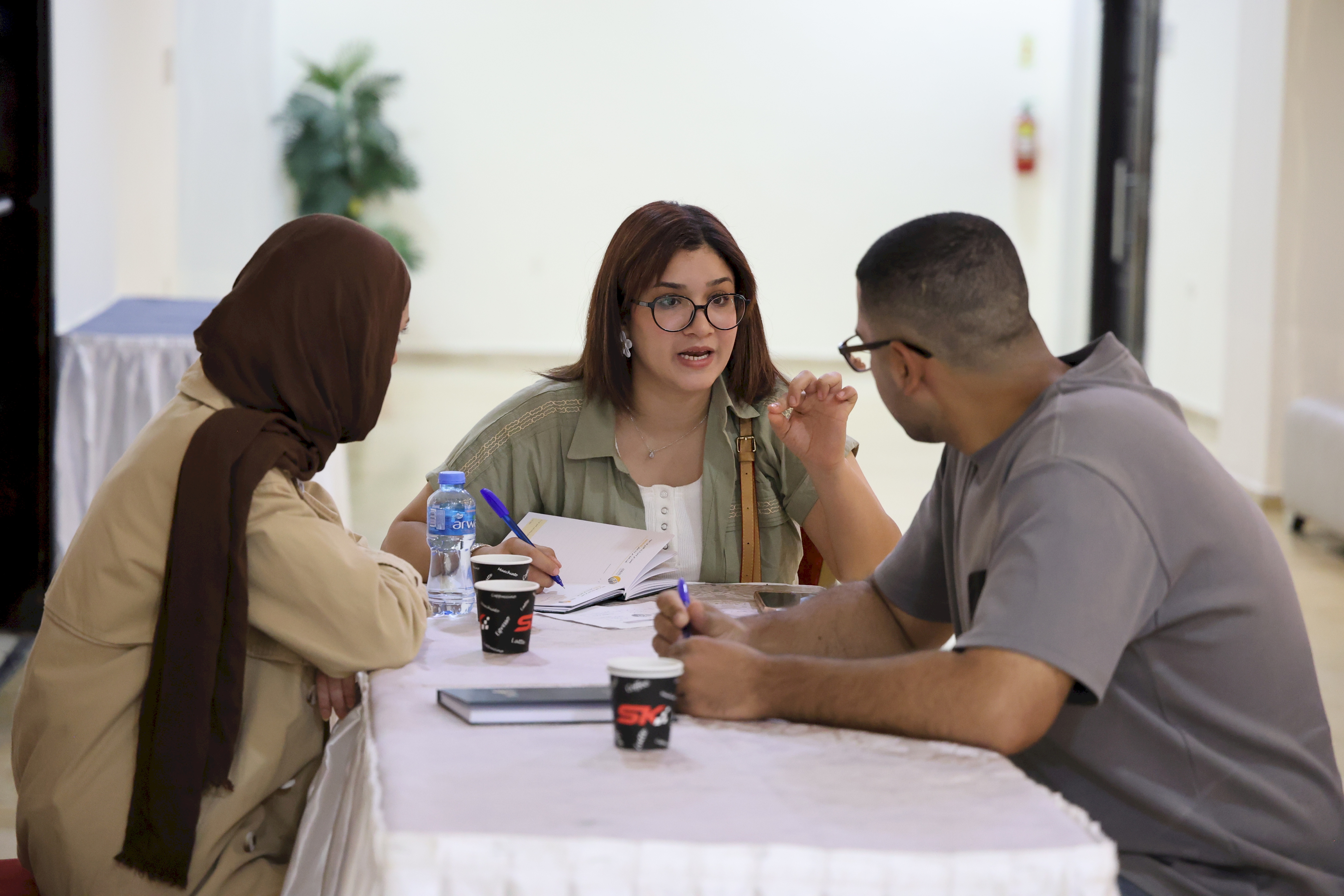
The program is based on the Weekend Solutions methodology developed by Transparency International. It brings citizens, experts, and relevant stakeholders together around specific corruption-related problems to analyze their root causes, identify the parties concerned, and develop practical, workable solutions.
AMAN adapted the methodology to the Palestinian context, with particular emphasis on strengthening the role of young people in promoting integrity, transparency, accountability, and anti-corruption efforts.
Under this approach, young people are not viewed simply as recipients of knowledge. They are an integral part of developing solutions - from identifying the problem and gathering information, through developing solutions, to engaging in dialogue with the responsible authorities and following up on the responses or changes that result.
Diagnosing the Problem Is Not the End
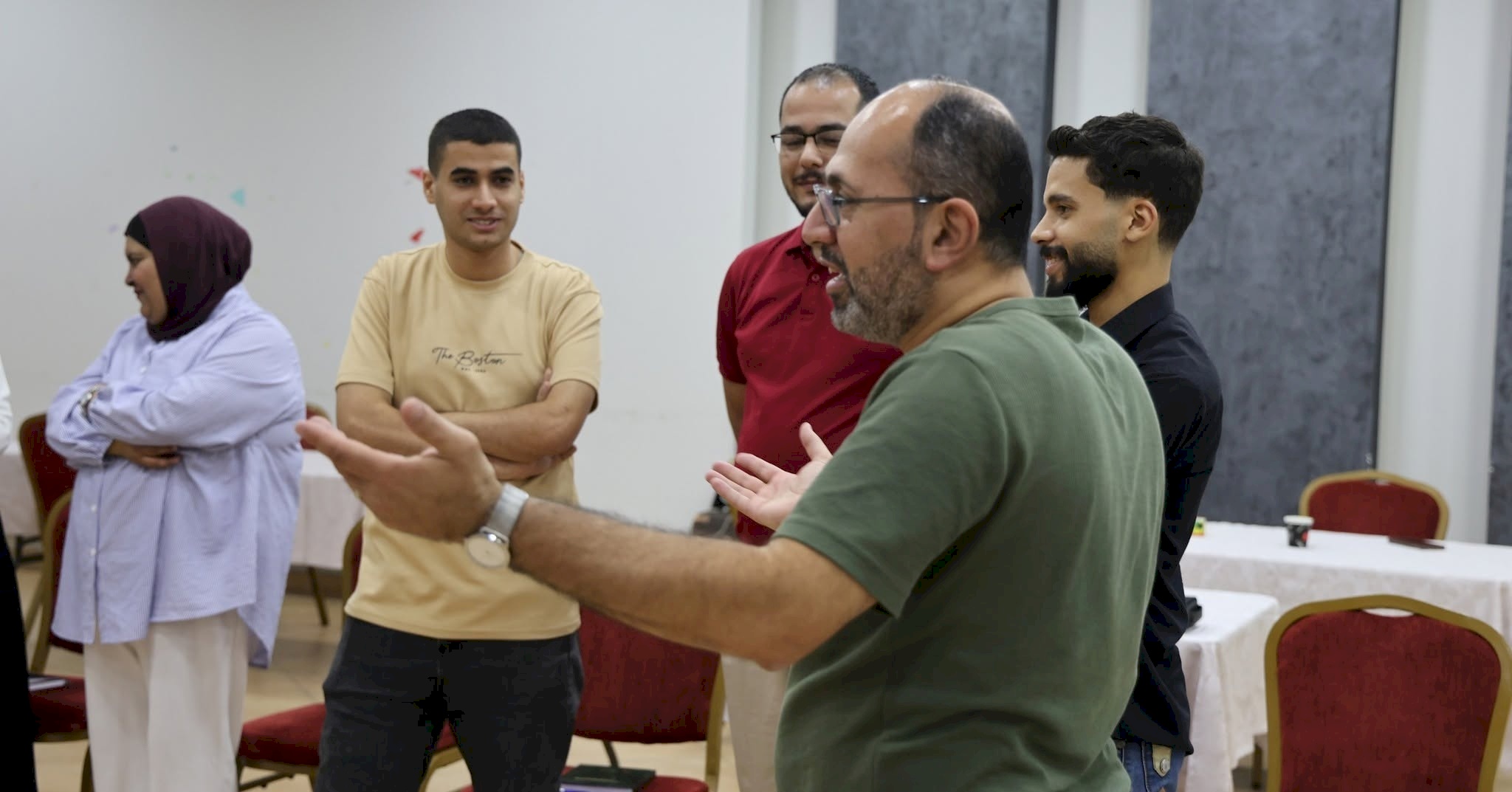
Participants began with real problems that they know and experience in their own communities - problems related to public services, health, education, justice, and other issues that directly affect people's lives and their ability to access their rights and essential services.
But the question was not simply: What is the problem?
The discussion moved to deeper questions: Why does it persist? What causes it? Who are the stakeholders involved? Who is responsible? And who has the ability to influence the situation and bring about change?
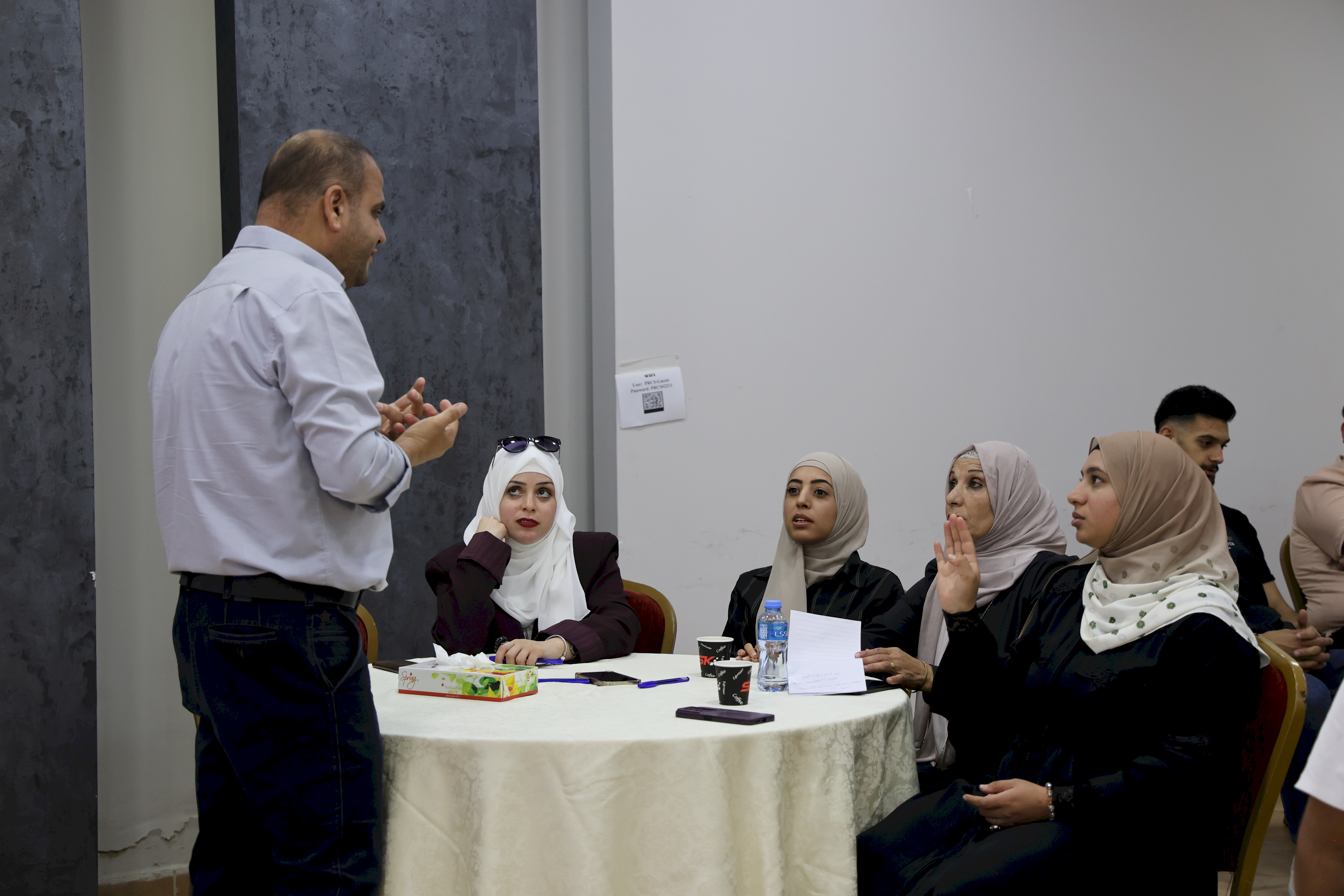
Through group work, participants learned how to move from describing a problem to analyzing its root causes, gathering relevant evidence, identifying stakeholders and responsibilities, and ultimately developing realistic solutions that can be defended and translated into practical interventions.
This shift from diagnosis to action lies at the heart of the Weekend Solutions methodology.
A solution does not remain an idea written down in a training room. Instead, it moves into a deeper phase of research and analysis, including the preparation of evidence-based papers and materials that can then be used for advocacy, dialogue, and accountability with the competent authorities.
Four Days of Training... and the Beginning of a Path Toward Change
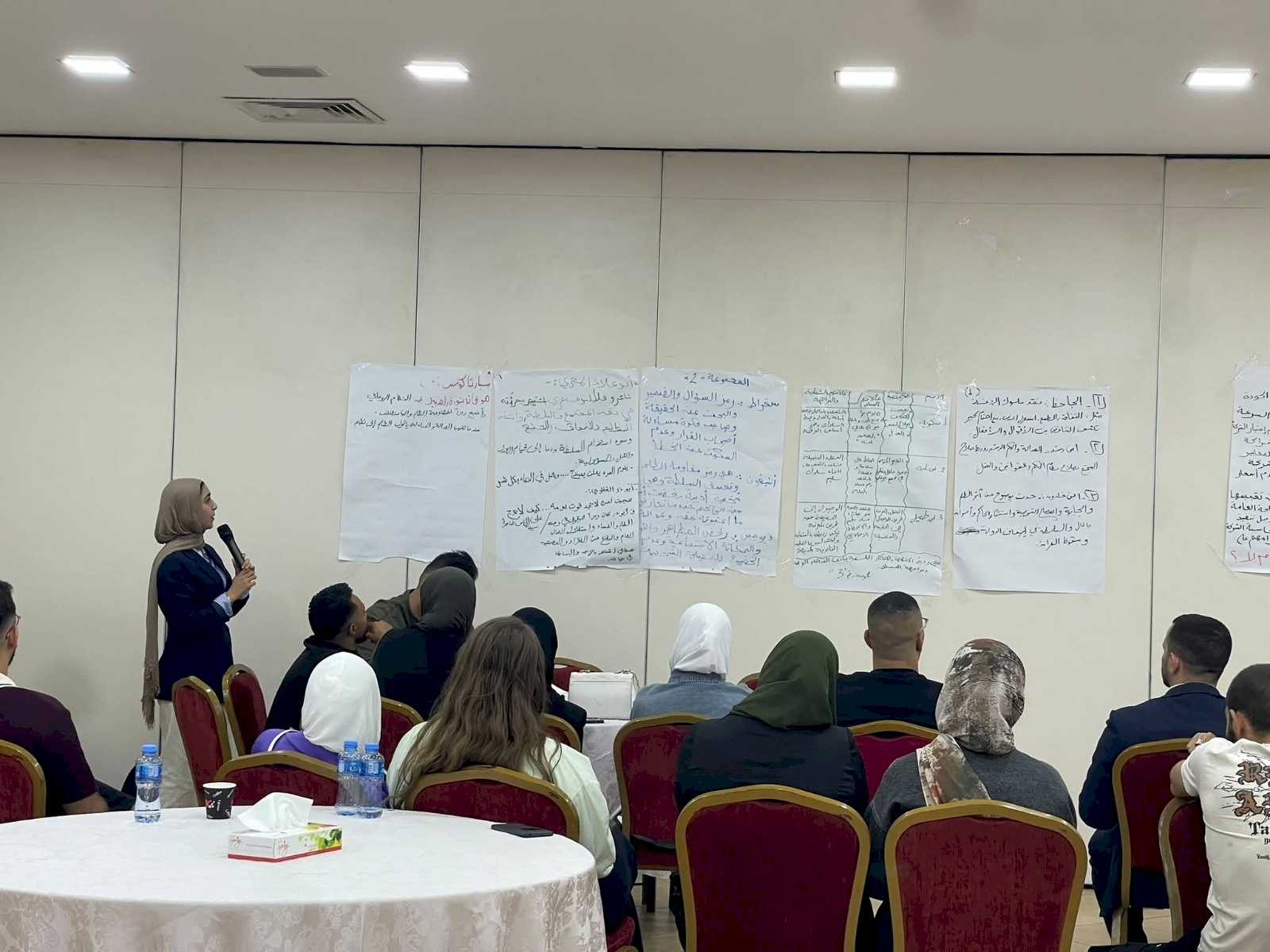
The training program spanned 4 days of hands-on work and practical application. Participants explored the concepts of integrity, transparency, accountability, and anti-corruption, as well as the principles of social accountability and the different stages of the Weekend Solutions methodology.
The training also addressed the role of young people in holding institutions and decision-makers accountable, as well as the tools and strategies they can use for advocacy, influence, and efforts to drive change.
The real value of the experience emerged when participants moved beyond theoretical concepts and began working on real issues drawn from their own communities.
At that point, a problem ceased to be merely a topic for discussion. It became an issue requiring evidence, analysis, clearly defined responsibilities, and an understanding of the actors capable of influencing it - followed by concrete steps that could be developed further during the next phase of the methodology.
The 4 days were therefore not the end of the experience, but a foundational stage preparing the young participants for what comes next: selecting the issues most closely connected to their communities, examining them in greater depth, gathering information and evidence, and preparing papers that define the problem, its causes, and the responsibilities involved while proposing practical solutions and recommendations.
From Learning to Critical Thinking and Accountability
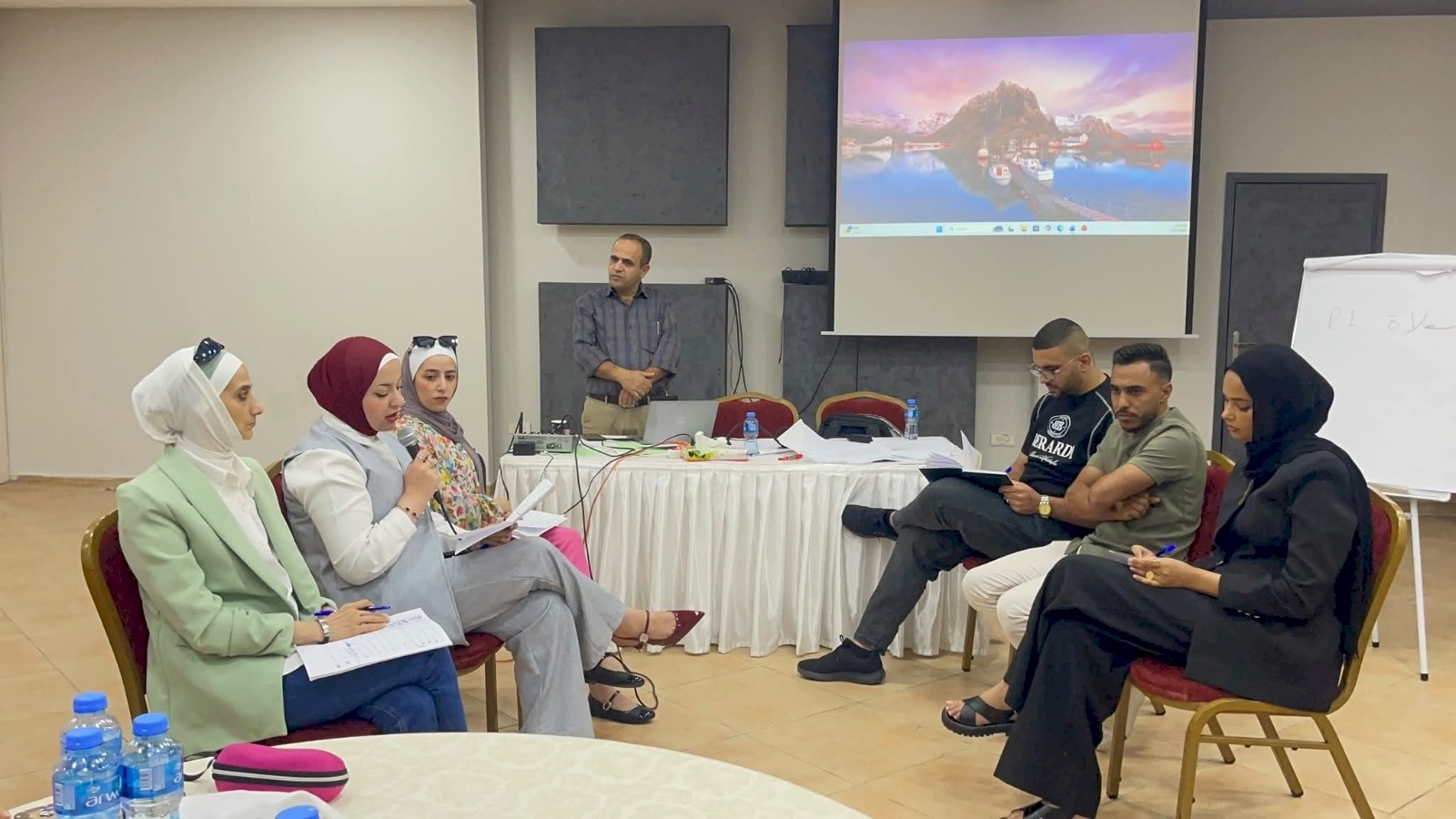
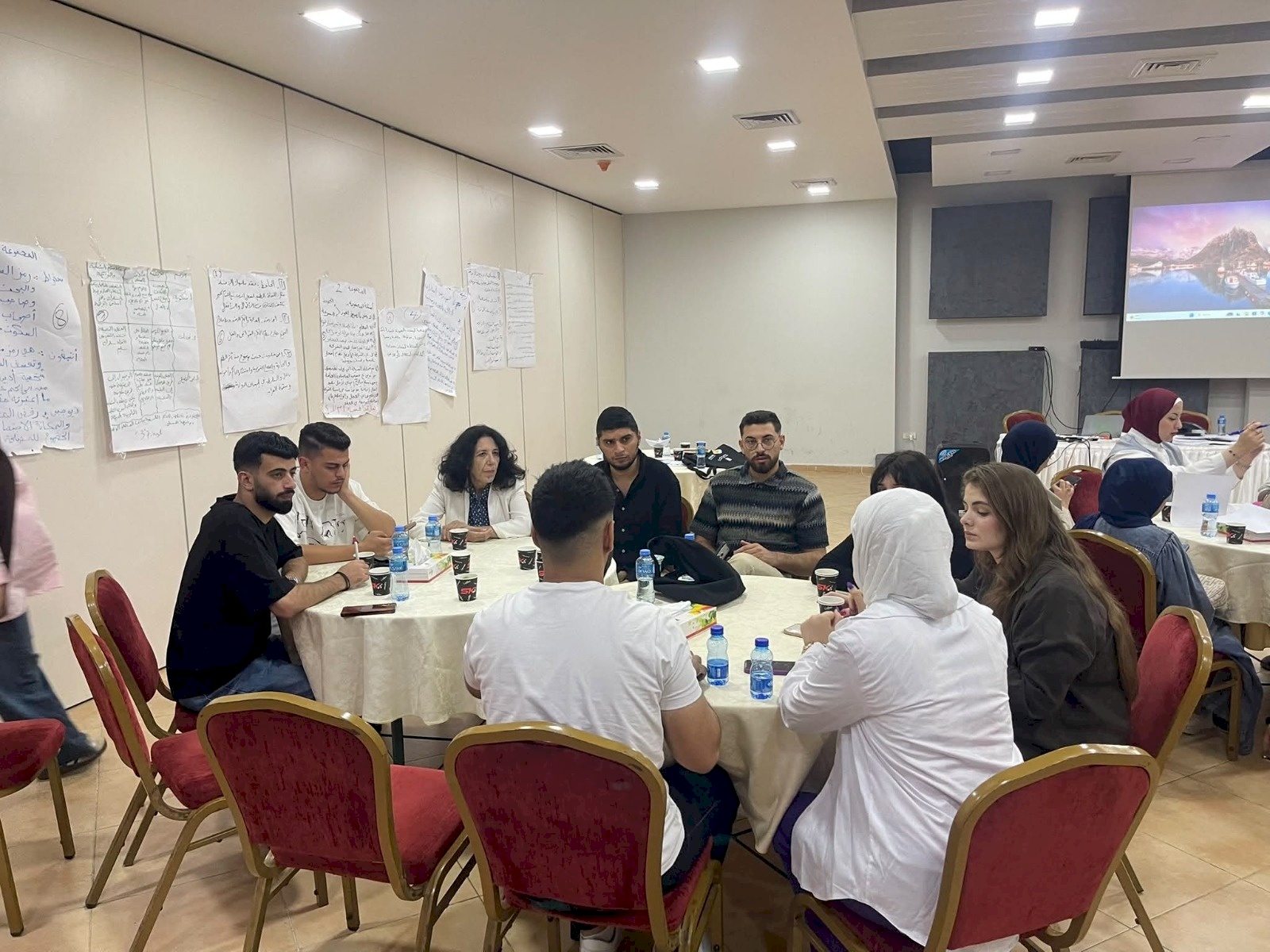
Participants described the experience as one that combined knowledge with practical application and gave them space for discussion, expression, exchange of ideas, and teamwork.
Several participants said what distinguished the training was its ability to turn theoretical concepts into practical tools that could be used in everyday life and community work. They noted that the discussions and practical exercises helped them examine governance and corruption issues from deeper perspectives.
They also emphasized the value of the interactive training approach and its connection between concepts and real-life situations. Terms such as integrity, accountability, and transparency were no longer merely theoretical concepts. Instead, they became linked to practical questions: Who makes the decision? How is it made? How can responsibility be determined? What evidence do we need? How can the problem be raised with the responsible authority, and how can its response be followed up?
For the participants, the value of the training was not in the volume of information they received, but in how it changed the way they think and strengthened their ability to move from knowledge to analysis - and from analysis to action and accountability.
When Getting to the Training Becomes a Challenge in Itself
For some participants, the challenge began before they ever reached the training room.
Young people traveling from different parts of the West Bank had to navigate Israeli military checkpoints, gates, road closures, and other restrictions imposed on Palestinian movement.
For more than 10 participants, these restrictions became a direct obstacle to attending the training. They were held at different military checkpoints for more than 5 hours under the sun, delaying their arrival in Ramallah.
This experience was not separate from the substance of the training. When everyday movement is restricted, it affects more than people's ability to travel from one place to another. It also limits their opportunities to access education and employment, participate in civic life and organizing, and engage in community initiatives.
Even so, these young people kept going.
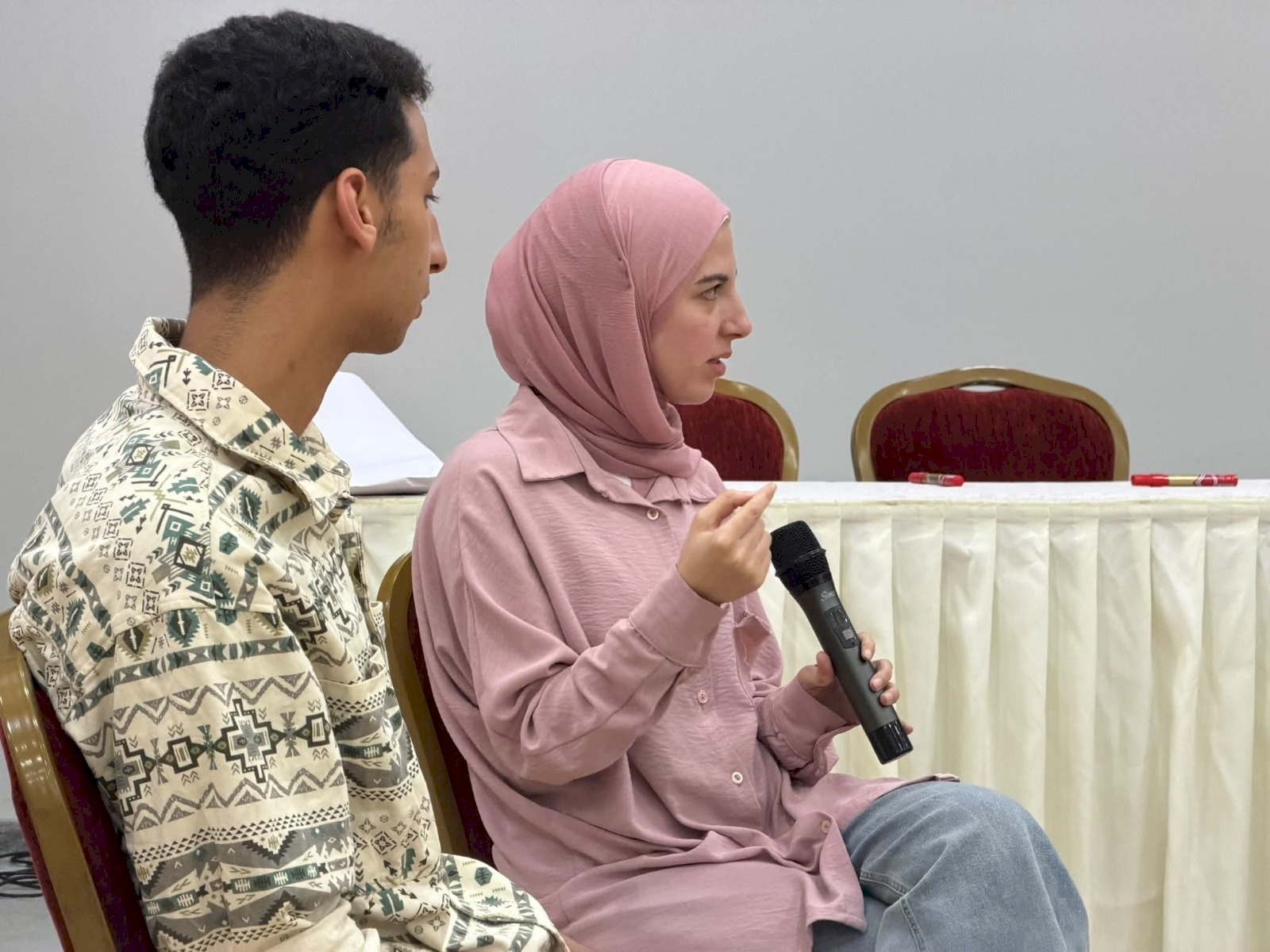
They reached Ramallah, entered the training room, and took part.
Perhaps that moment captures an important part of the entire experience: difficult circumstances do not eliminate the need for action, and everyday challenges can themselves become a starting point for understanding problems and working to change them.
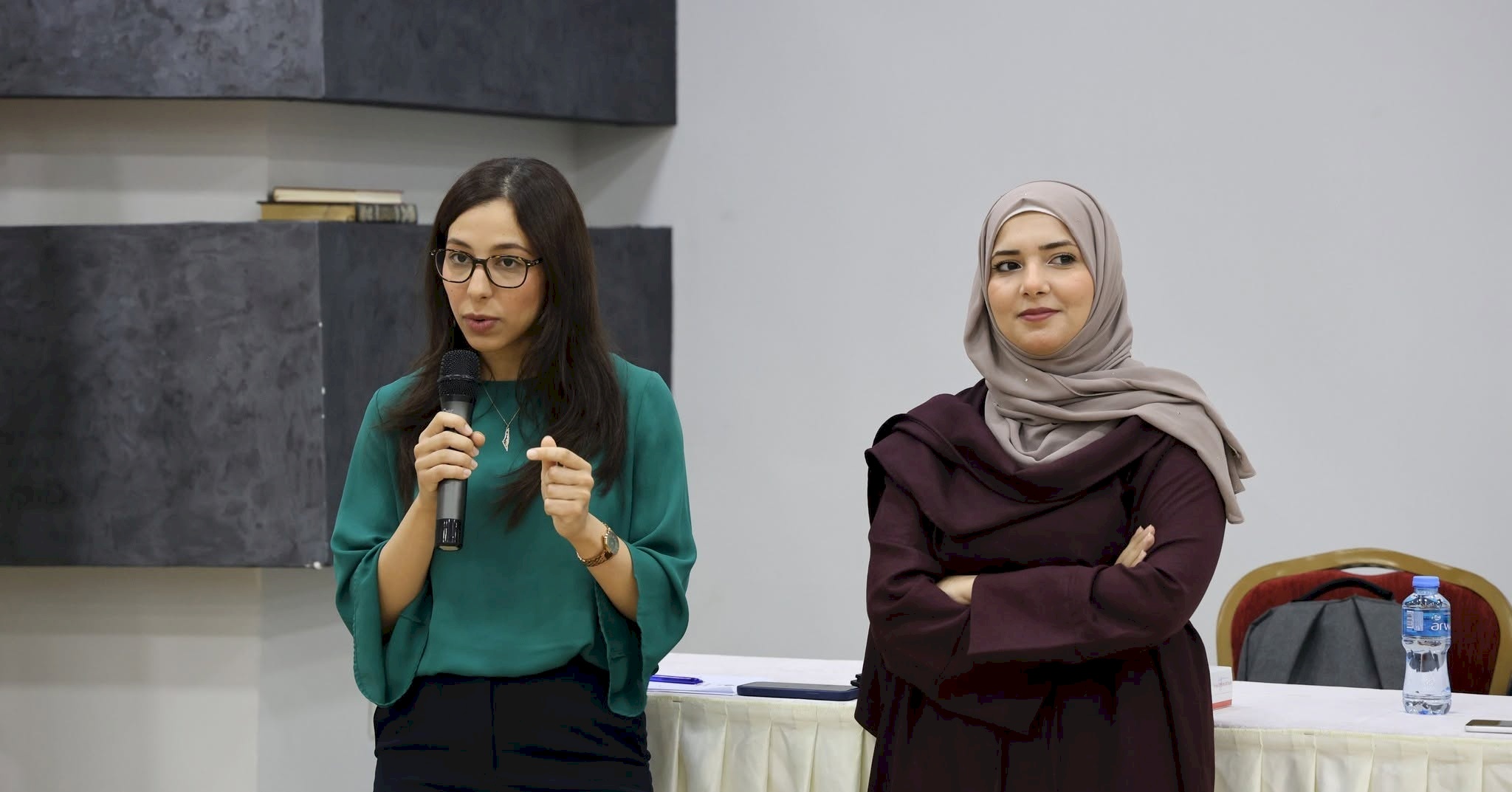
From the Training Room to Making an Impact
The end of the 4 days did not mark the end of the program. It marked the beginning of the most important stage of the Weekend Solutions methodology.
The training gives young people the tools they need to understand and analyze problems, but the real test of the methodology begins once they leave the training room. Participants then select the issues they will work on, gather relevant information and evidence, analyze the causes and responsibilities involved, and prepare evidence-based papers and materials proposing realistic, workable solutions.
From there, the process moves to another level: presenting these issues to the responsible authorities, organizing dialogue and accountability sessions, putting forward recommendations and discussing them with decision-makers, and then following up to determine whether those authorities respond and take steps to address the problems raised.
The success of the experience will therefore not be measured solely by the number of young people who participated in the training or by the number of papers prepared or sessions held. It will be measured by whether the process generates a real response - whether through changing a procedure, addressing a shortcoming in the delivery of a public service, adopting a recommendation, securing a clear commitment from a responsible authority, or establishing an institutional process for following up on an issue that affects people's lives.
The ultimate objective is not simply for young people to become more knowledgeable about corruption and accountability. It is for them to be able to turn that knowledge into evidence, that evidence into clear demands and recommendations, and those demands and recommendations into dialogue and accountability - then follow them through until they produce an observable impact in their communities.
Success Will Be Defined in the Next Phase
In this sense, the Weekend Solutions methodology goes beyond being a training program. It is a comprehensive process that begins by identifying a problem and understanding its causes, moves through research, evidence gathering, and the development of solutions, and is only complete when those solutions reach the responsible authorities, are discussed with them, and the resulting responses and changes are followed up.
For AMAN, adapting this methodology to the Palestinian context makes it possible to connect international anti-corruption experience with the everyday realities of Palestinian communities. At the same time, it gives young people the space and tools they need to move from expressing their concerns to actively holding responsible authorities accountable and contributing to the development of solutions.
For the young participants, the message is clear: knowing that a problem exists does not mean accepting it, and understanding its causes is the first step toward changing it.
With the tools they have gained, the most important part of the journey now begins: turning the problems they identified into well-researched issues, those issues into evidence-based papers, and those papers into dialogue and accountability with officials - then following up to see whether those efforts lead to a response, reform, and tangible change.
In a context where the challenges of corruption intersect with daily restrictions on movement, everyday life, and participation, reaching the training room was only the beginning of the story.
Its real success will be measured by what these young people are able to carry from the training room back into their communities: an issue brought forward, an official held accountable, a recommendation put into practice, and a change that people can feel.