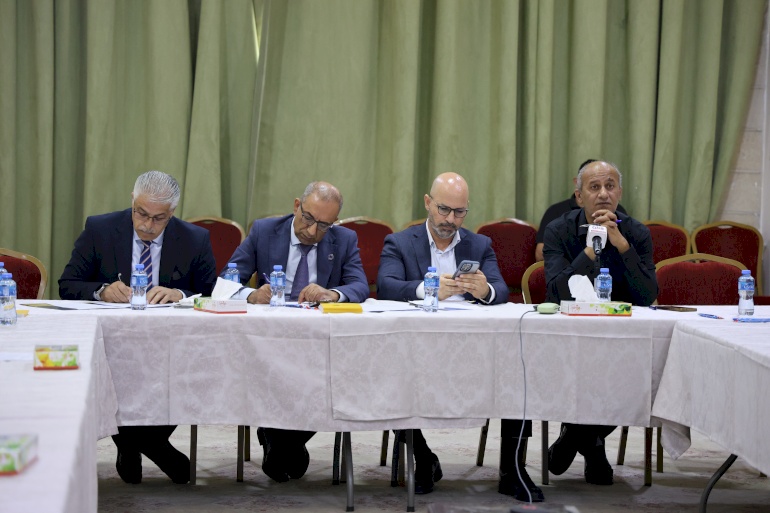
At a Session on the Banking Challenges Facing Civil Society Organizations and Their Impact on Humanitarian Response
AMAN Calls for a Crisis Task Force to Address Civil Society Organizations’ Complaints and Banking Challenges
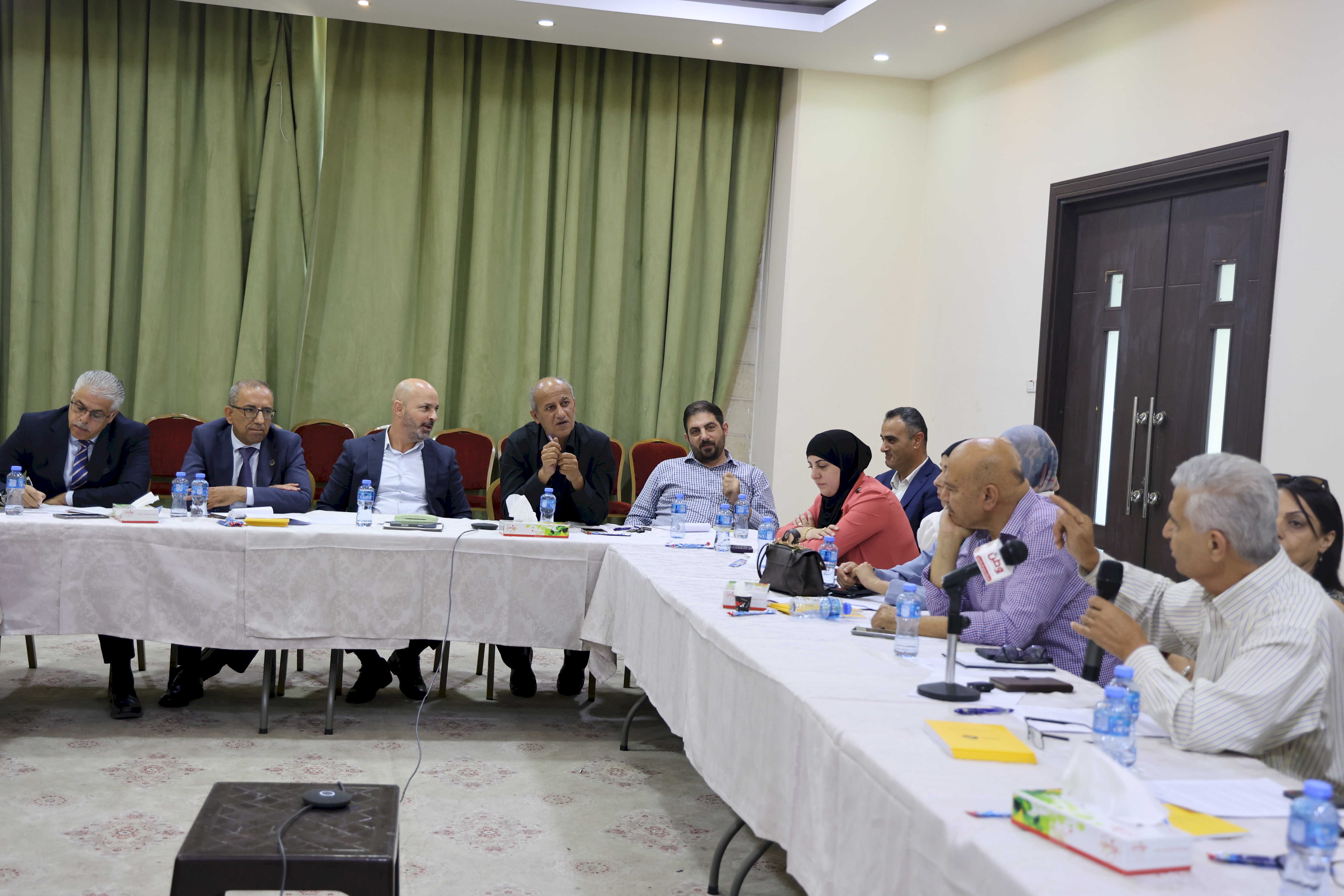
Ramallah/Gaza – The Coalition for Integrity and Accountability (AMAN) convened a specialized session to discuss the banking challenges facing Palestinian civil society organizations and the impact of those challenges on their operational capacity and ability to continue their work, particularly in relief and humanitarian action amid the state of emergency in Palestine. Participants included representatives of the Palestine Monetary Authority, the Association of Banks in Palestine, and several banks operating in Palestine, as well as broad participation by civil society organizations via Zoom.
The session sought to hear different perspectives on the banking-related difficulties facing civil society organizations and to develop practical recommendations that could help address these challenges while strengthening transparency and accountability within Palestinian civic space.
The session opened with remarks by AMAN Executive Director Issam Haj Hussein, who explained that it followed an earlier hearing held in cooperation with the Ministry of Interior. That session had focused on the challenges organizations face in registering and operating in the West Bank and Gaza Strip, particularly given their growing role in relief and humanitarian work.
Haj Hussein added that the current session was devoted to the banking challenges that obstruct the work of civil society organizations and limit their ability to carry out their responsibilities. The discussion drew on a position paper prepared by AMAN that examined the main problems associated with banking procedures, including opening and approving accounts, making financial transfers, receiving incoming transfers, and meeting other banking compliance requirements.
Haj Hussein stressed that convening the session reflected AMAN’s commitment to striking a balance between safeguarding the integrity and stability of the Palestinian financial system and ensuring that organizations can continue operating, particularly by delivering humanitarian assistance to those who need it. This balance is necessary to prevent compliance procedures that fail to account for the specific realities of the Palestinian context from becoming an obstacle to the work of civil society organizations.
He noted that the session aimed to foster responsible institutional dialogue among the relevant parties and help develop practical solutions that achieve three balanced objectives: protecting the Palestinian financial system, strengthening the confidence of international partners, and ensuring the continued flow of humanitarian funding while enabling civil society organizations to continue their national role in supporting the resilience of Palestinian communities.
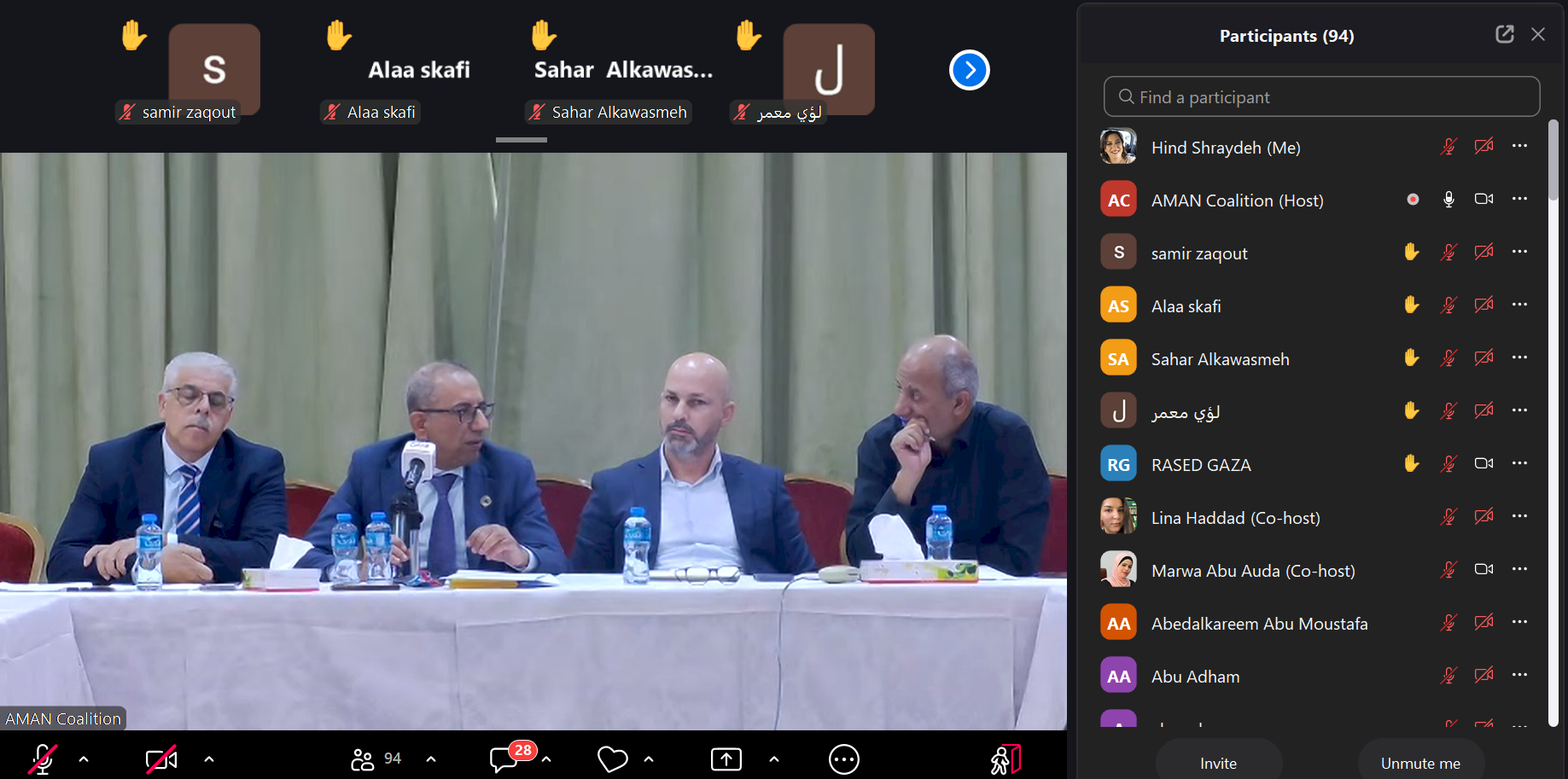
Key Banking Challenges Facing Civil Society Organizations in the West Bank and Gaza Strip
Wael Balousha, AMAN’s Regional Director in Gaza, presented a background paper outlining the main difficulties civil society organizations face in their dealings with the banking sector. Chief among them were the freezing or closure of bank accounts without clear explanations, lengthy delays in receiving transfers from donors, and difficulties opening bank accounts, particularly for newly established organizations or those implementing emergency projects.
The paper found that these challenges had intensified amid the ongoing genocidal war against the Gaza Strip and the escalation of settlement expansion and displacement policies in the West Bank. This has undermined the ability of civil society organizations to carry out relief programs, including purchasing relief supplies, paying local staff, implementing cash assistance programs, contracting suppliers, and responding to urgent needs in shelters.
The paper emphasized that the challenge does not lie in compliance with anti-money laundering and counter-terrorist financing requirements in itself, but rather in how those requirements are applied. Their implementation must account for the particular circumstances of the Palestinian context and the realities of the humanitarian emergency, while maintaining a careful balance between protecting the Palestinian financial system, complying with international standards, and ensuring the continued flow of humanitarian funding.
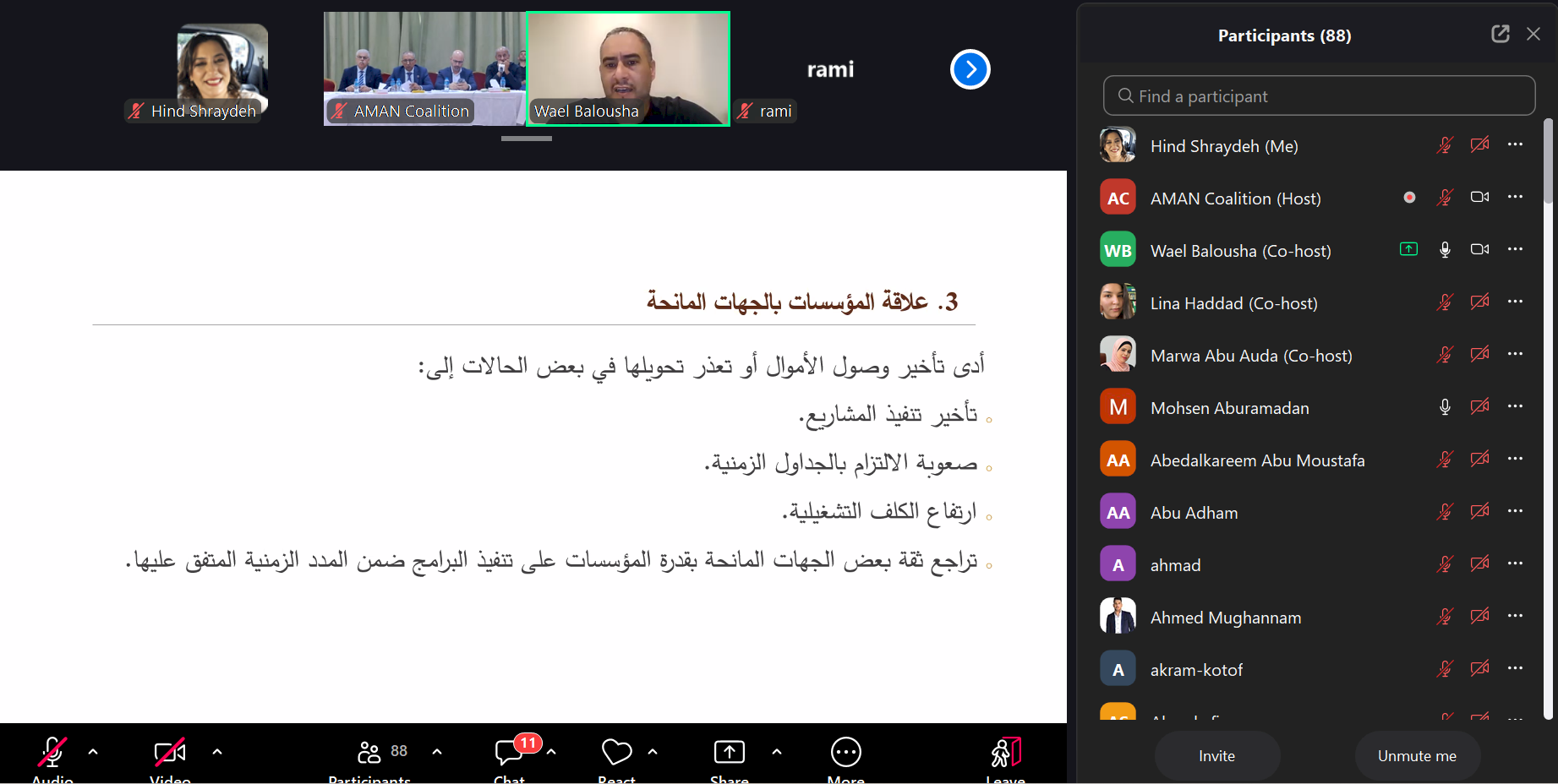
Recommendations for Banking Policies That Facilitate Humanitarian Funding and Protect Civic Space
The paper called for a risk-based approach that distinguishes between actual financial risks and legitimate humanitarian activities. It also identified several issues for discussion during the session, including the adoption of exceptional procedures for handling humanitarian transfers during emergencies, the development of an effective grievance mechanism for organizations whose accounts are frozen or closed, the establishment of a dedicated banking channel for priority humanitarian projects, and the standardization of how all banks deal with civil society organizations.
The paper also proposed discussing ways to expedite the review of transfers related to humanitarian assistance, establish direct communication channels among the Palestine Monetary Authority, the banking sector, and civil society organizations to address urgent problems, and issue clear guidance to banks on handling funds designated for relief activities.
Ministry of Interior: We Have Worked to Resolve 90 Complaints Since the Beginning of the Year
Israr Heilaneh, Director General of Associations and Non-Governmental Organizations at the Ministry of Interior, affirmed the ministry’s readiness to cooperate with all relevant parties and adopt any mutually agreed mechanism capable of addressing the existing challenges. He stressed that there was a shared understanding of the scale of the difficulties facing civil society organizations.
Heilaneh explained that an established coordination mechanism was already in place between the Ministry of Interior and the Palestine Monetary Authority to address matters relating to civil society organizations. He noted that the ministry receives complaints, grievances, and objections from organizations almost daily and has dealt with approximately 90 cases since the beginning of the year. These cases were resolved through existing communication and coordination channels.
He added that the ministry was working to categorize the types of problems reported to it, including those involving frozen or restricted bank accounts, with the aim of reaching practical solutions in cooperation with the relevant authorities.
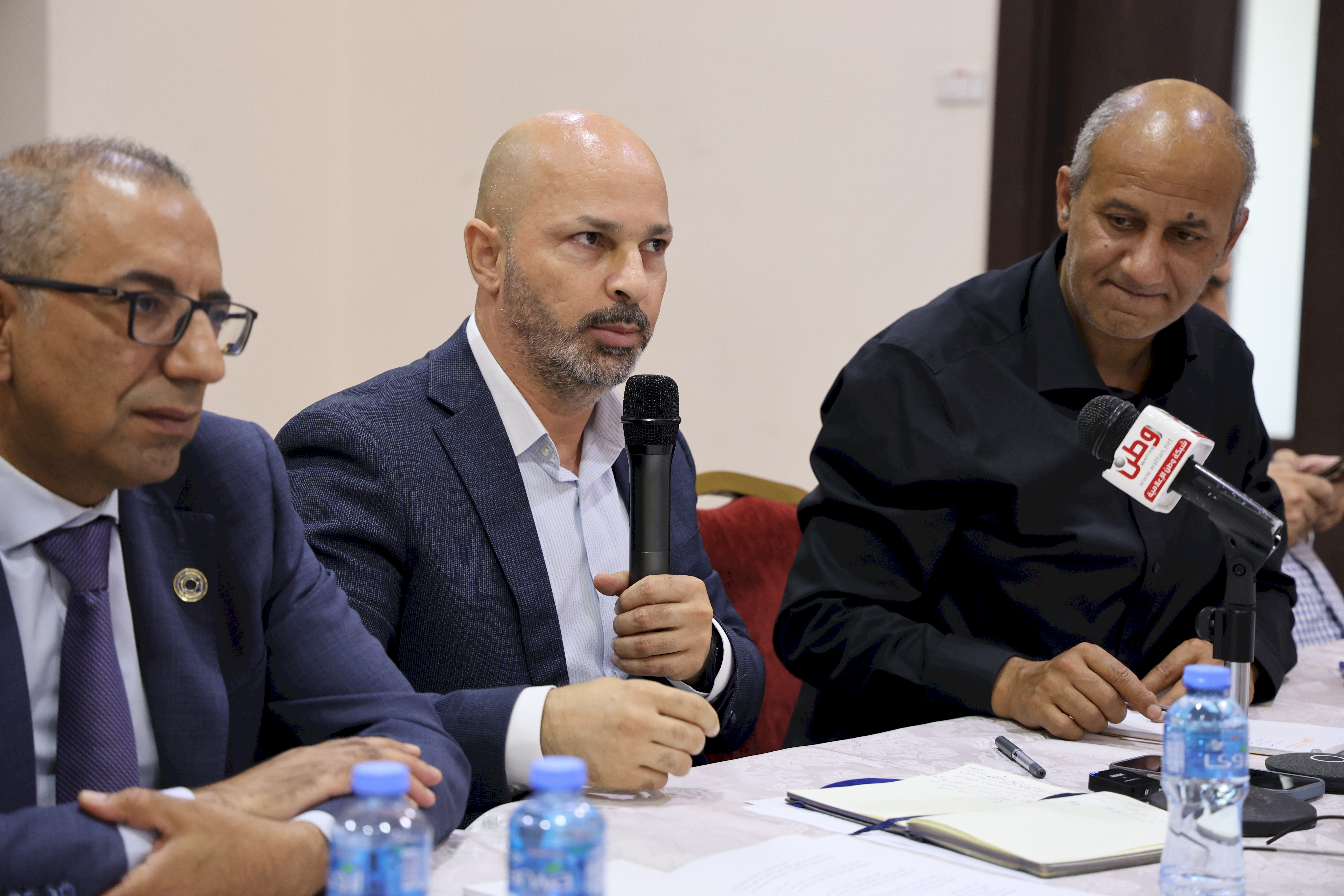
Palestine Monetary Authority: Banking Challenges Are Linked to International Compliance Requirements and the Need to Safeguard Financial-Sector Stability
Iyad Nassar, Director of the Supervision and Inspection Department at the Palestine Monetary Authority, explained that the difficulties civil society organizations face in opening bank accounts and receiving and processing transfers are not new. Rather, they stem from the realities of the Palestinian banking sector, international compliance requirements, and the restrictions Palestinian banks face in their relationships with Israeli banks.
He noted that nonprofit organizations are classified globally as “high risk,” which subjects them to enhanced due-diligence procedures, including reviews of their governance, funding sources, and grant-disbursement mechanisms. These requirements become more stringent during crises, when the volume of humanitarian assistance increases.
Nassar added that banks are required to verify the flow of funds and identify the ultimate beneficiaries, particularly given the large volume of humanitarian assistance entering the Gaza Strip. This is necessary to mitigate legal risks related to money laundering and terrorist financing, protect the stability of the banking sector, and address lawsuits filed against banks in the United States.
He emphasized the importance of developing recommendations that balance compliance with international standards and the continued flow of humanitarian funding, while also addressing issues related to keeping organizations’ information up to date, their governance arrangements, and their authorized signatories.
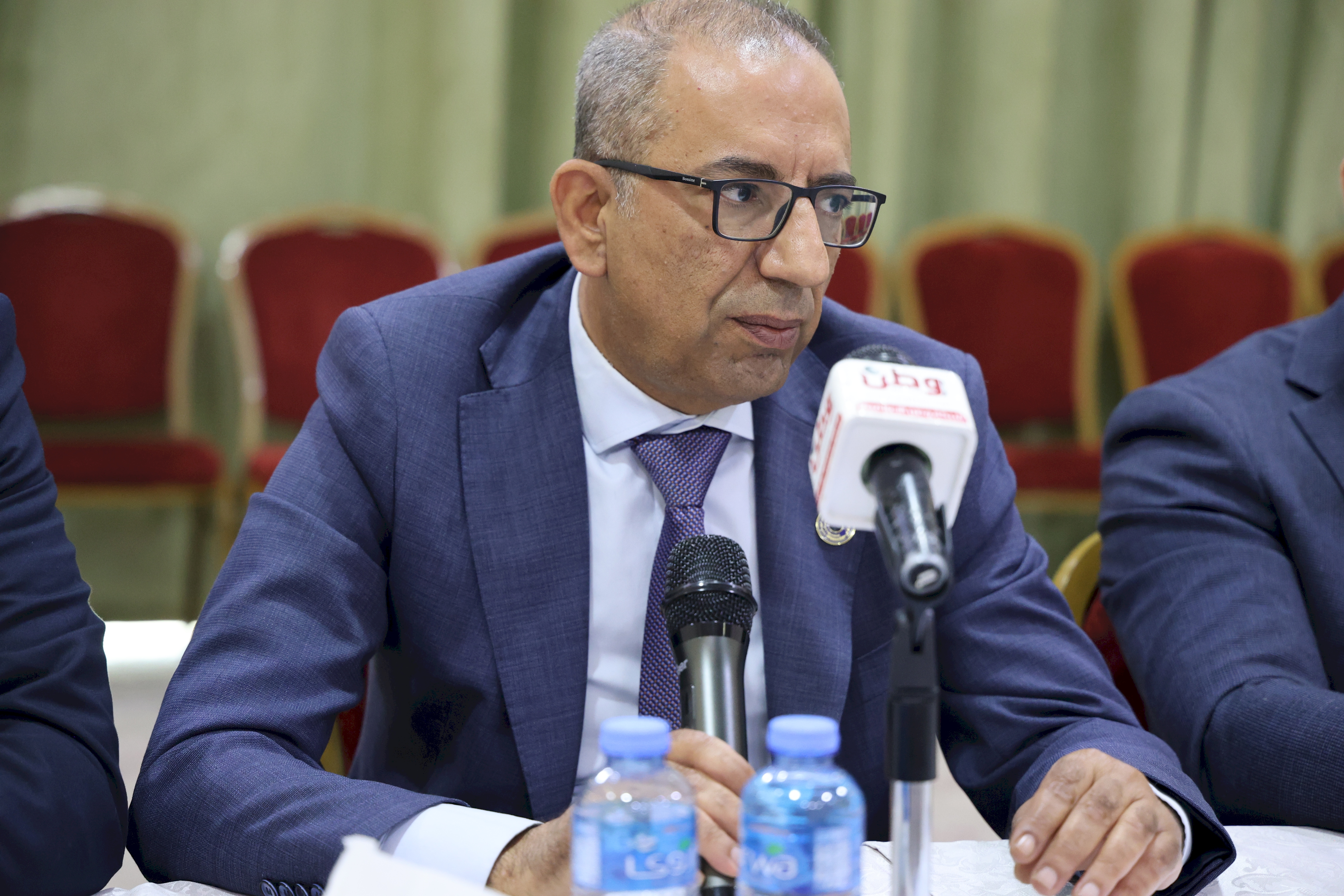
Association of Banks: Banks Operate Within an International System
Bashar Yassin, Director General of the Association of Banks in Palestine, stressed that the banking sector is a key pillar of economic growth and development. He explained that Palestinian banks operate within a global banking system and comply with anti-money laundering and counter-terrorist financing standards that Palestine adopted more than a decade ago. This enables them to maintain their relationships with correspondent banks and preserve the confidence of international partners.
Yassin noted that some of the difficulties facing civil society organizations arise from incomplete compliance requirements, such as failing to update information, renew licenses, or meet governance requirements. He stressed that protecting depositors’ funds is a priority for the banking sector and called for a joint mechanism among the relevant parties to address the challenges facing civil society organizations more effectively.
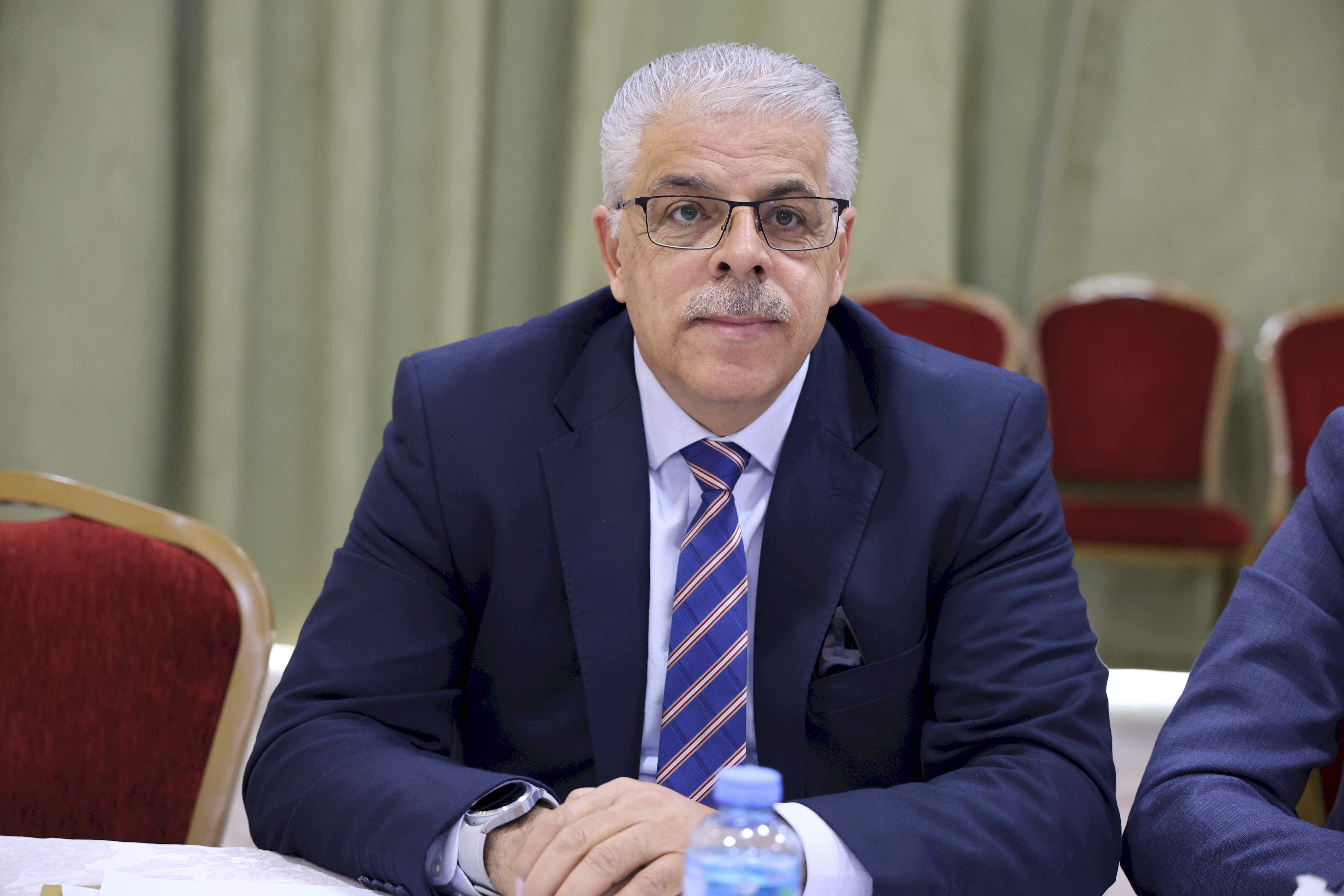
Participants’ Comments
Representatives of civil society organizations outlined the main challenges they face in their dealings with banks. These included the freezing of certain accounts, refusals to receive or process transfers, and the return of some grants to funding organizations, despite the organizations’ compliance with licensing requirements and their submission of periodic financial and administrative reports.
Participants said that some banking procedures had, in their view, been excessively restrictive, particularly when accounts were closed without adequate explanation. This disrupted the implementation of humanitarian and health projects and affected the continuity of services provided to the most vulnerable groups.
They also highlighted delays in processing certain transactions by public authorities, particularly under the exceptional circumstances and reduced government working hours. They called for a clear and transparent mechanism that balances compliance requirements with the need to ensure that civil society organizations can continue operating.
Calls for a Unified Guide to Banking Procedures for Civil Society Organizations
Participants proposed several measures to improve coordination between banks and civil society organizations. Chief among them was assigning a liaison officer at each bank to follow up on transactions involving civil society and relief organizations, ensuring faster communication and more timely resolution of problems.
They also proposed establishing a permanent committee comprising the Palestine Monetary Authority, the Association of Banks in Palestine, and representatives of civil society organizations. The committee would monitor complaints and review challenges on a regular basis.
Participants further called for a unified guide setting out the compliance requirements and banking procedures applicable to civil society organizations. This would help ensure that the procedures are understood and applied consistently across all banks.
They also stressed the importance of establishing a mechanism to address identification-related difficulties in the Gaza Strip. Such a mechanism would allow beneficiaries’ identities to be verified through approved alternative means and ensure the continued delivery of humanitarian funding and assistance to those entitled to receive it, without compromising banking compliance requirements.
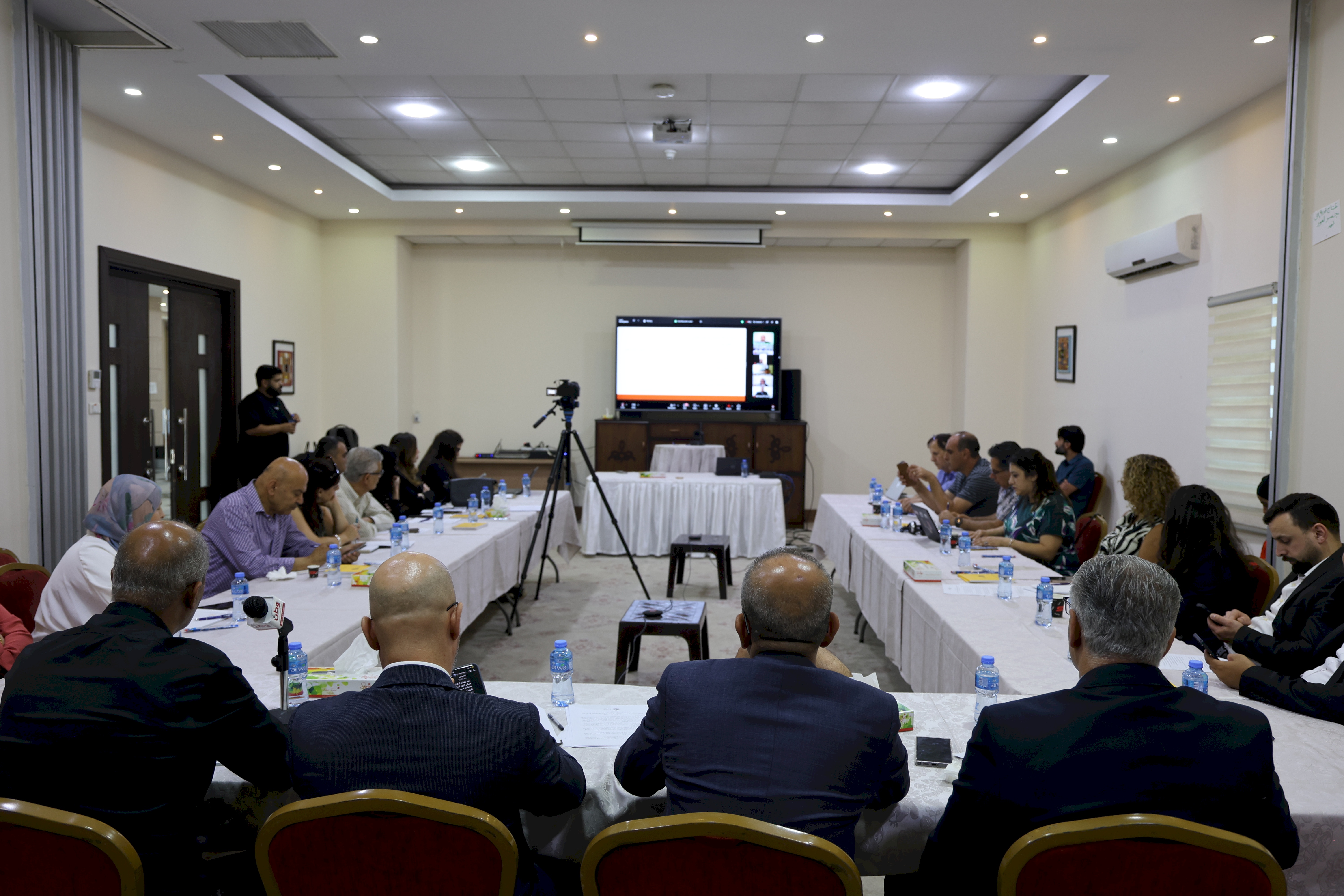
ISTIQLAL: Account-Freezing Measures Must Have a Clear Legal Basis
Majed Al-Arouri, Director General of the Civil Commission for the Independence of the Judiciary and the Rule of Law, “ISTIQLAL,” emphasized that banking measures must be grounded in a clear legal framework governing the relationship among all parties. He argued that the issues under discussion should not be addressed outside the framework of the rule of law.
He noted that banks’ concerns about litigation abroad do not justify measures that may lack a proper legal basis and questioned the legal grounds for freezing accounts or placing restrictions on them.
Al-Arouri called for a balanced policy that protects the financial system while safeguarding the rights of civil society organizations and ensuring respect for the rule of law.
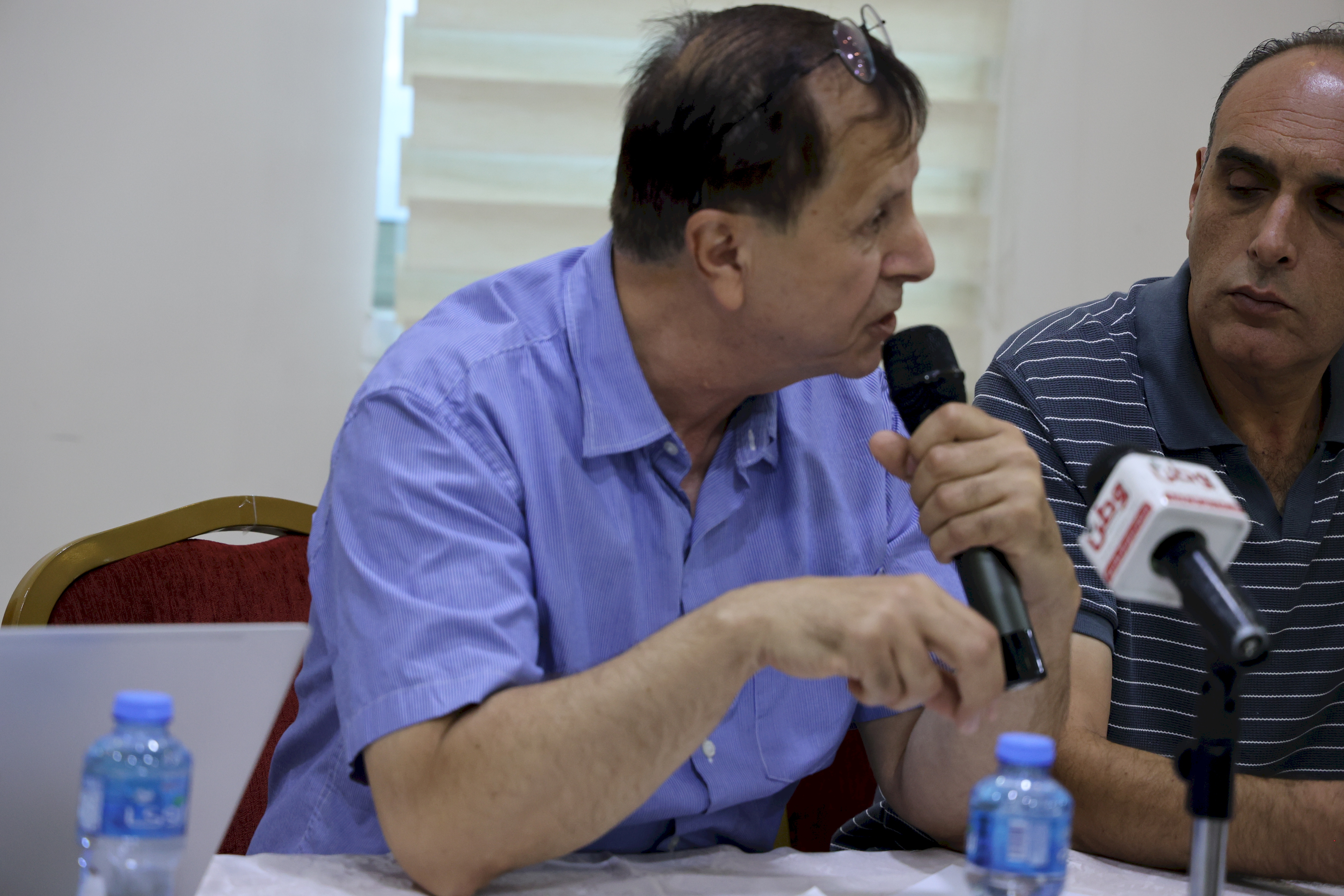
Difficulties Opening Bank Accounts Because Identification Cards in Gaza Have Expired
Abi Aboudi, Director of the Bisan Center for Research and Development, argued that the application of compliance requirements to civil society organizations sometimes goes beyond what international standards require. He referred in particular to Recommendation 8 of the Financial Action Task Force (FATF), which makes clear that not all nonprofit organizations should be treated as high risk. Instead, they should be subject to a risk-based assessment that distinguishes among organizations according to the nature of their work.
He noted that locally applied criteria for classifying organizations as high risk, such as the size of their budgets or the nature of their cash transactions, had resulted in a broad segment of civil society organizations being placed in high-risk categories without sufficient justification, thereby subjecting them to additional restrictions.
Aboudi also raised questions about the reference lists used in compliance procedures and warned against relying on lists that have no basis in Palestinian law.
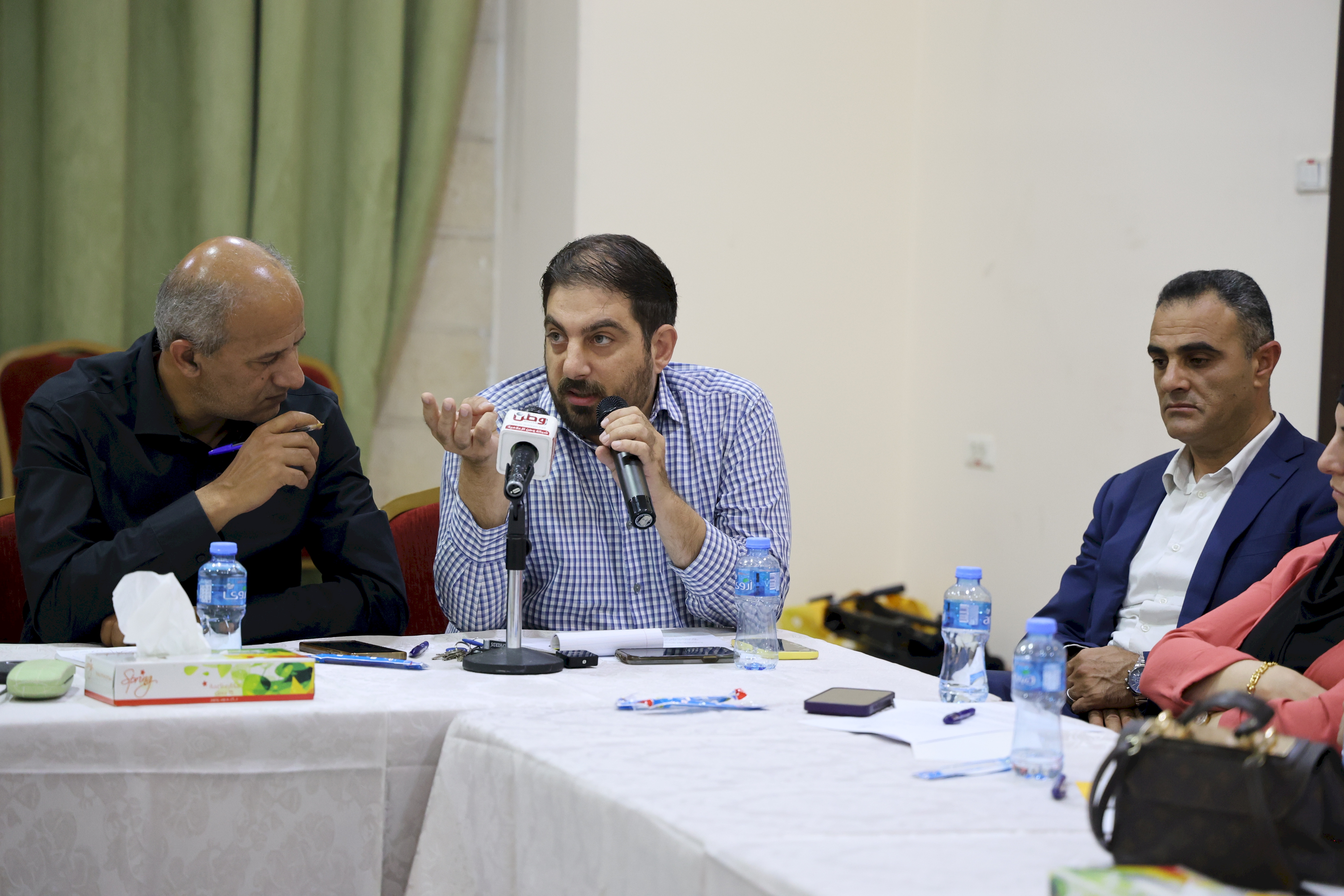
Zainab Al-Ghuneimi, Director of the Center for Women’s Legal Research, Consultation and Protection, stressed that banking procedures should take greater account of the exceptional conditions in the Gaza Strip during the war. She noted that many residents and employees face difficulties opening bank accounts because their identification cards have expired, while banks do not accept identification cards renewed in Gaza. She called for exceptional procedures that reflect the humanitarian situation and ensure that individuals and organizations retain access to essential banking services.
Jamil Sarhan, Director of the Independent Commission for Human Rights in Gaza, stressed the need to align banking compliance procedures with human rights principles. He argued that the broad classification of civil society organizations as high risk had led to restrictions that obstruct their work and limit their ability to provide humanitarian services.
He called on banks to adopt an approach that balances compliance with international standards and protection of the right to freedom of association. He also warned that arbitrary measures could expose the parties responsible to legal and civil liability for harm caused to organizations and the beneficiaries of their services.
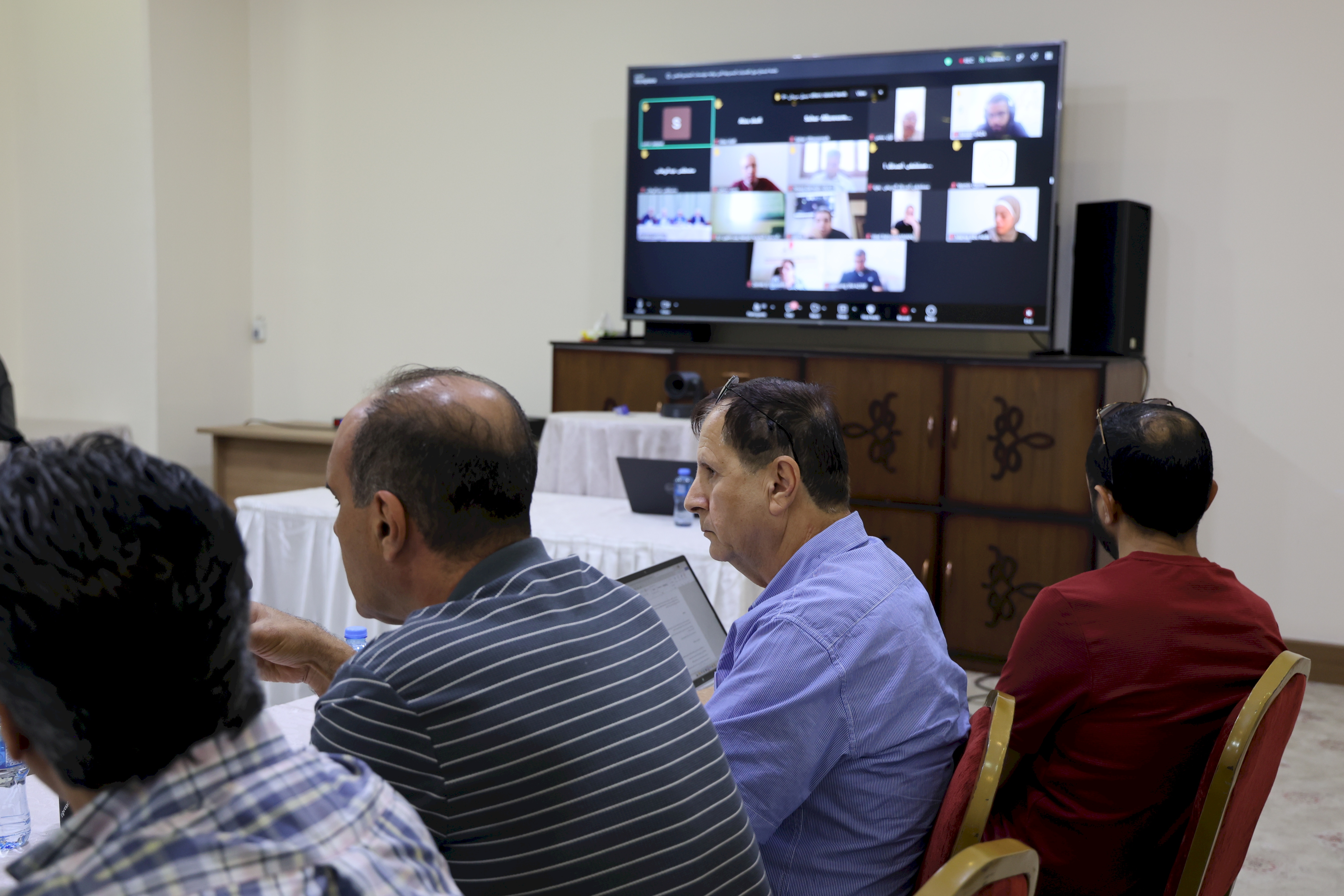
Dedicated Follow-Up Mechanism Needed to Address Civil Society Organizations’ Cases in the Gaza Strip
Yusri Darwish, Chair of the General Union of Cultural Centers, highlighted the procedural challenges facing civil society organizations in the Gaza Strip. He noted delays in processing associations’ transactions at the Ministry of Interior, which have prolonged the closure of bank accounts and disrupted organizations’ work for extended periods.
He called for stronger communication with organizations in Gaza through the designation of a dedicated body to follow up on their cases and expedite their completion. He also pointed to delays by banks in implementing the required procedures after Ministry of Interior transactions had been finalized. He therefore called for faster reactivation of accounts and the reinstatement of a system under which each organization is assigned an account manager. This would facilitate communication with banks and reduce the administrative burden on organizations, particularly under the exceptional conditions in the Gaza Strip.
High-Risk Classification Means Enhanced Due Diligence, Not Account Closure
Responding to participants’ comments, Iyad Nassar, Director of the Supervision and Inspection Department at the Palestine Monetary Authority, explained that the banking relationship is governed by the agreement between the bank and the customer, together with the associated compliance requirements.
He stressed that the inclusion of individuals or entities on certain international lists does not necessarily prevent them from opening bank accounts, although it may restrict certain financial transactions. He added that banks contact customers and organizations to request clarifications and supporting documents before taking any action, and that accounts are frozen only when compliance requirements have not been fully met.
Nassar noted that most of the difficulties facing civil society organizations arise from issues related to meeting banking requirements, rather than from external factors alone. He also confirmed that many civil society organizations in the Gaza Strip had been able to continue operating after completing the required procedures.
He further emphasized that there is no policy prohibiting civil society organizations from opening bank accounts. Classifying an organization as “high risk,” he explained, does not mean closing its accounts or preventing it from opening one. Rather, it means subjecting the organization to enhanced due-diligence procedures and additional compliance requirements proportionate to the nature of the risks involved.
Ministry of Interior Plans to Open an Office in Gaza to Follow Up on Civil Society Transactions and Strengthen Communication
At the conclusion of the session, Heilaneh stated that the ministry was currently updating its procedural guide to strengthen communication and simplify the procedures applicable to civil society organizations. He emphasized that the ministry’s relationship with these organizations is based on partnership and complementarity.
He also announced plans to open an office in the Gaza Strip to receive and follow up on associations’ transactions and coordinate them with the Ministry of Interior in Ramallah. This would help reduce the logistical obstacles created by the current circumstances.
Heilaneh further affirmed the ministry’s readiness to receive all comments and proposals that could help improve procedures and enhance the services provided to civil society organizations.
AMAN Leads Proposal for a Crisis Task Force to Address Civil Society Challenges Through Dialogue and Accountability
Dr. Azmi Al-Shuaibi, Adviser to AMAN’s Board of Directors, called for the establishment of a permanent institutional mechanism to address the challenges facing civil society organizations.
He proposed that AMAN host a specialized unit to receive and follow up on complaints and maintain direct communication with the Palestine Monetary Authority, the Association of Banks in Palestine, and the Ministry of Interior, thereby ensuring that the issues raised are addressed promptly.
He also proposed forming a crisis task force comprising official bodies and other relevant stakeholders to receive complaints and strengthen coordination and accountability. The task force would review complaints and develop practical solutions, thereby enhancing transparency, improving coordination, and helping remove the obstacles facing civil society organizations within an institutional framework grounded in dialogue and accountability.