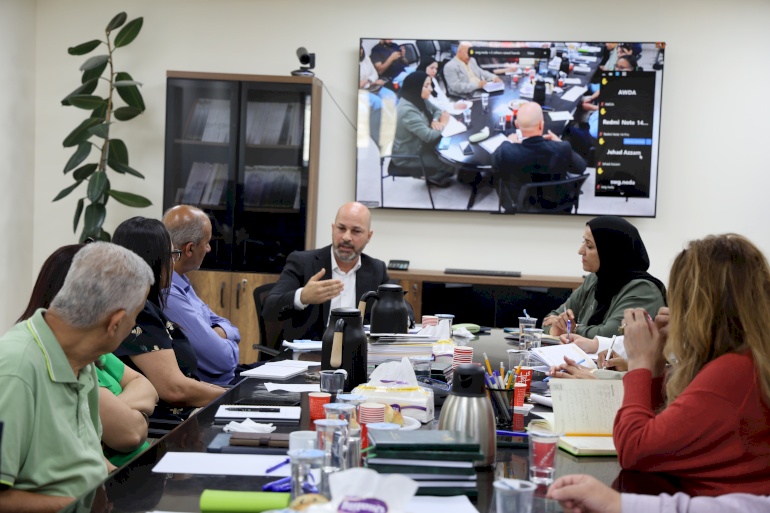
With the participation of representatives from the Ministry of Interior
AMAN Coalition holds a hearing session on procedures for registering civil society organisations and the challenges facing their work in the West Bank and Gaza Strip
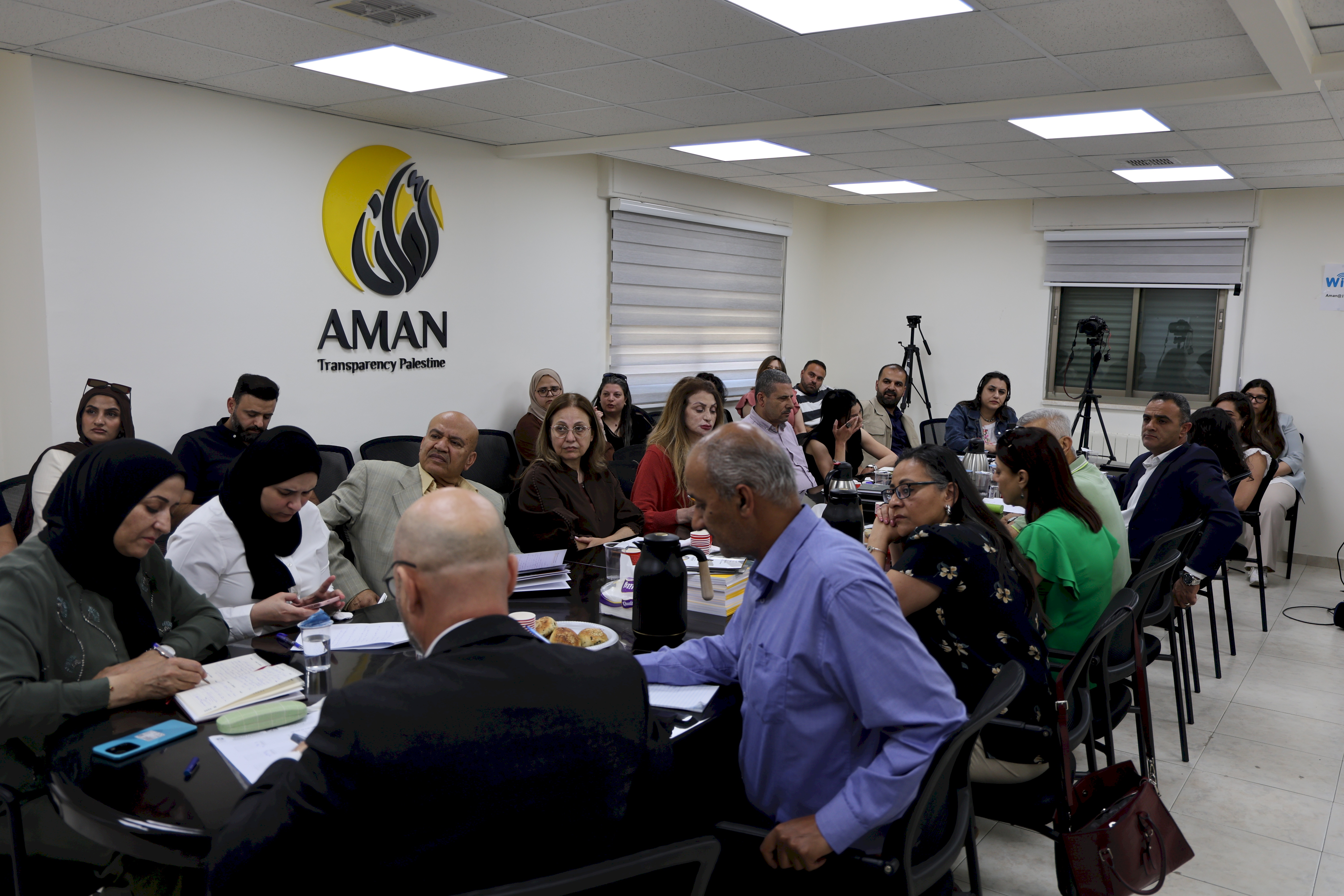
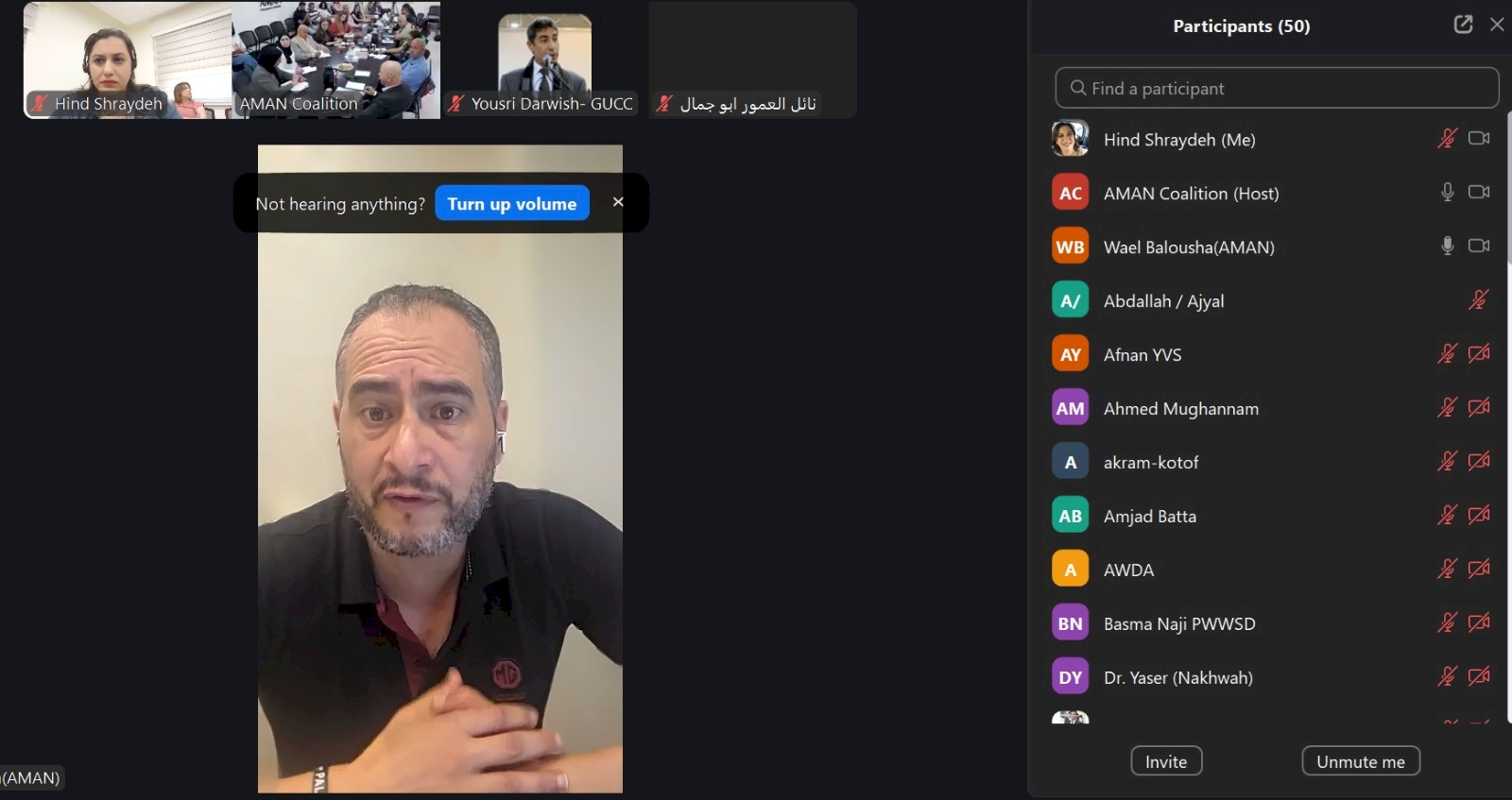
Ramallah/Gaza - With the participation of representatives from the Ministry of Interior and broad attendance by civil society organisations and relevant stakeholders in the West Bank and Gaza Strip, the Coalition for Integrity and Accountability (AMAN) held a hearing session on the procedures for registering and renewing the registration of civil society organisations and regulating their work. The session aimed to discuss the main existing challenges, hear different perspectives and develop practical recommendations that contribute to strengthening the principles of transparency and the rule of law, while protecting Palestinian civic space.
The session was opened by AMAN’s Executive Director, Issam Hajj Hussein, who stressed that the right to assembly and organisation in Palestine is guaranteed by the Basic Law. He noted that civil society organisations have recently been facing increasing legal, administrative and banking challenges, which had previously been followed up with the relevant authorities, yet many of them remain unresolved, prompting the need to hold this session. He explained that the meeting aimed to discuss these challenges in light of the growing role played by civil society organisations in humanitarian and relief response, particularly in the Gaza Strip.
AMAN presents a background paper identifying challenges and proposing pathways for development
Wael Balousha, Regional Director of the Gaza Office, presented a background paper aimed at assessing the extent to which the procedures currently in force are suited to the present exceptional circumstances, and at examining their impact on the continuity of civil society organisations’ work and their ability to contribute to relief and development efforts, protect rights and strengthen community resilience.
Balousha noted that a number of administrative and procedural challenges persist, including the procedures for approving governing bodies and bank signatories, deciding on applications within the legally prescribed timeframes, enabling organisations to follow up on their transactions and track their progress, and ensuring clear grievance channels and clarity regarding the reasons for delay or rejection in certain cases. He also pointed to the financial and banking challenges affecting organisations’ ability to meet their financial obligations, given that the activation and continued operation of bank accounts are linked to administrative approval procedures, in addition to the stricter requirements for banking compliance and oversight of financial transfers.
The paper also addressed the field-level challenges resulting from the war, as a large number of civil society organisations’ premises in the Gaza Strip have been destroyed or damaged, affecting their operational capacity. These challenges are compounded by the difficulty of holding general assembly meetings and conducting periodic elections, the disruption of access to official documents, and the restrictions imposed on movement and travel between the West Bank and Gaza Strip.
Balousha stressed that civil society organisations and government bodies face a common challenge: the need to strengthen transparency and governance in managing the regulatory relationship between both sides in order to overcome the many serious challenges currently facing them.
The sustainability of civil society work requires addressing administrative and banking challenges
Balousha noted that the existing administrative and banking restrictions affect civil society organisations’ ability to respond to humanitarian and development needs. They slow down the implementation of relief projects and the payment of financial dues, while increasing the operational burdens placed on organisations, affecting the sustainability of their programmes and their ability to meet their obligations.
Ministry of Interior: We have issued exceptional decisions in response to the current reality, automatically extending the approval of boards of directors for periods of up to 6 months
In his response, the Director-General of Associations and Non-Governmental Organisations at the Ministry of Interior, Israr Hilaneh, stressed the importance of strengthening the participatory and complementary relationship between the Ministry and civil society organisations. He noted that the number of local associations registered in Palestine stands at around 3,600, in addition to 340 registered foreign associations.
Hilaneh reviewed registration indicators in recent years, explaining that in 2023, 96 associations submitted registration applications, of which 87 were processed. In 2024, 88 applications were submitted, while 96 associations were registered as a result of completing some applications carried over from the previous year. In 2025, 114 applications were submitted and 100 associations were registered. Since the beginning of 2026 to date, 71 applications have been submitted, of which 54 have been registered. He stressed that around 95% of applications complete their procedures in accordance with the applicable rules, while the remaining percentage is generally linked to the completion of procedural requirements in subsequent years, rather than final rejection.
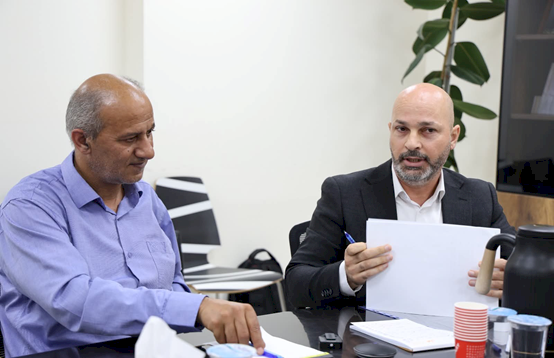
He noted that the Ministry continued to receive and process registration applications during the war, and that in 2024 it issued exceptional decisions to automatically extend the terms of boards of directors, first for three months and then for six months, in view of the exceptional circumstances imposed by the war. He also explained that, during that period, the Ministry deferred the requirements relating to financial and administrative reports, and allowed documents and transactions to be received through various electronic channels in order to mitigate the impact of the destruction of institutions and the loss of documents.
The need to hold periodic elections for governing bodies to ensure legal compliance
He added that, with the beginning of March 2026, the need emerged to regularise legal status and gradually return to standard procedures, including the holding of periodic elections for governing bodies, in a manner that ensures rotation and the sound management of institutions.
He explained that delays that may occur in some transactions are partly due to emergency working conditions and reduced working hours as a result of the exceptional circumstances. He stressed that the Ministry is inclined towards facilitating the work of institutions, especially those operating in the Gaza Strip, in recognition of the scale of existing needs there.
“Hukumati Portal”: an electronic platform for submitting applications and following up on procedures, currently under development
Hilaneh explained that the Ministry deals with various electronic communication channels and is currently working to develop the “Hukumati Portal” as an integrated electronic platform that will allow institutions to submit applications, follow them up, file their annual reports and submit all documents required by the Ministry of Interior, including grievances, electronically. He also noted that the genocidal war had delayed the implementation of the project and the preparation of a comprehensive procedural guide for institutions on registration and approval procedures, stressing that the Ministry will discuss these tools with partners before launching them.
Proposals to address banking challenges and strengthen partnership
Hilaneh explained that the Ministry is following up on issues related to banking restrictions in coordination with the Palestine Monetary Authority and the competent bodies, noting the proposal to form a committee comprising the various relevant stakeholders to address existing challenges, particularly those related to bank accounts and financial transfers.
For his part, Ashraf Abu Hayya, Legal Adviser at Al-Haq, stressed that the issue of “security clearance” is linked to a broader administrative and legal system and requires a fundamental solution. He considered that some practices associated with it raise legal concerns that require review. He also considered banking restrictions to be among the greatest challenges facing civil society work at the current stage, calling for the activation of the joint committee, under the leadership of the Network’s coordination body, to address problems related to bank accounts and financial transfers.
Abu Hayya proposed developing a system for classifying associations according to standards of governance, integrity and institutional compliance, which would help official bodies deal more flexibly with institutions that have a trusted administrative and financial record. He also stressed the importance of activating the role of sectoral ministries in following up on institutions that fall within their areas of competence.
In turn, Abdullah Hammad, Advocacy Director at the Jerusalem Legal Aid and Human Rights Center, stressed that bank approvals are no less important than legal registration procedures. He explained that some associations face refusal or delays in receiving transfers without receiving clear justifications from banks, which obstructs the implementation of their activities and programmes. He also pointed to problems relating to certain provisions of the Executive Regulations of the Law on Charitable Associations and Civil Society Organisations, and the questions raised regarding their consistency with the text of the original law.
Agreement to continue dialogue and develop mechanisms to address the challenges facing civil society organisations
At the end of the discussion, representatives of associations and civil society organisations in the Gaza Strip called for the deadline granted to regularise legal status to be extended until the end of the year, considering the current deadline insufficient in light of the exceptional circumstances facing the Strip. They also raised questions regarding mechanisms for dealing with boards of directors residing outside Palestine, and the need to circulate decisions and instructions regulating the work of associations through clear and official channels.
Participants also stressed the need to review the regulations and procedures governing the work of civil society organisations in a manner that strikes a balance between the requirements of government oversight and the independence of civil society work; adopt exceptional arrangements for institutions operating in the Gaza Strip; activate a clear system for complaints and administrative grievances; publish periodic data on registration and approval procedures; strengthen standards of integrity and transparency; and develop partnership and regular dialogue between official bodies and civil society organisations in order to address existing challenges and create a more efficient working environment that is more responsive to the Palestinian reality.
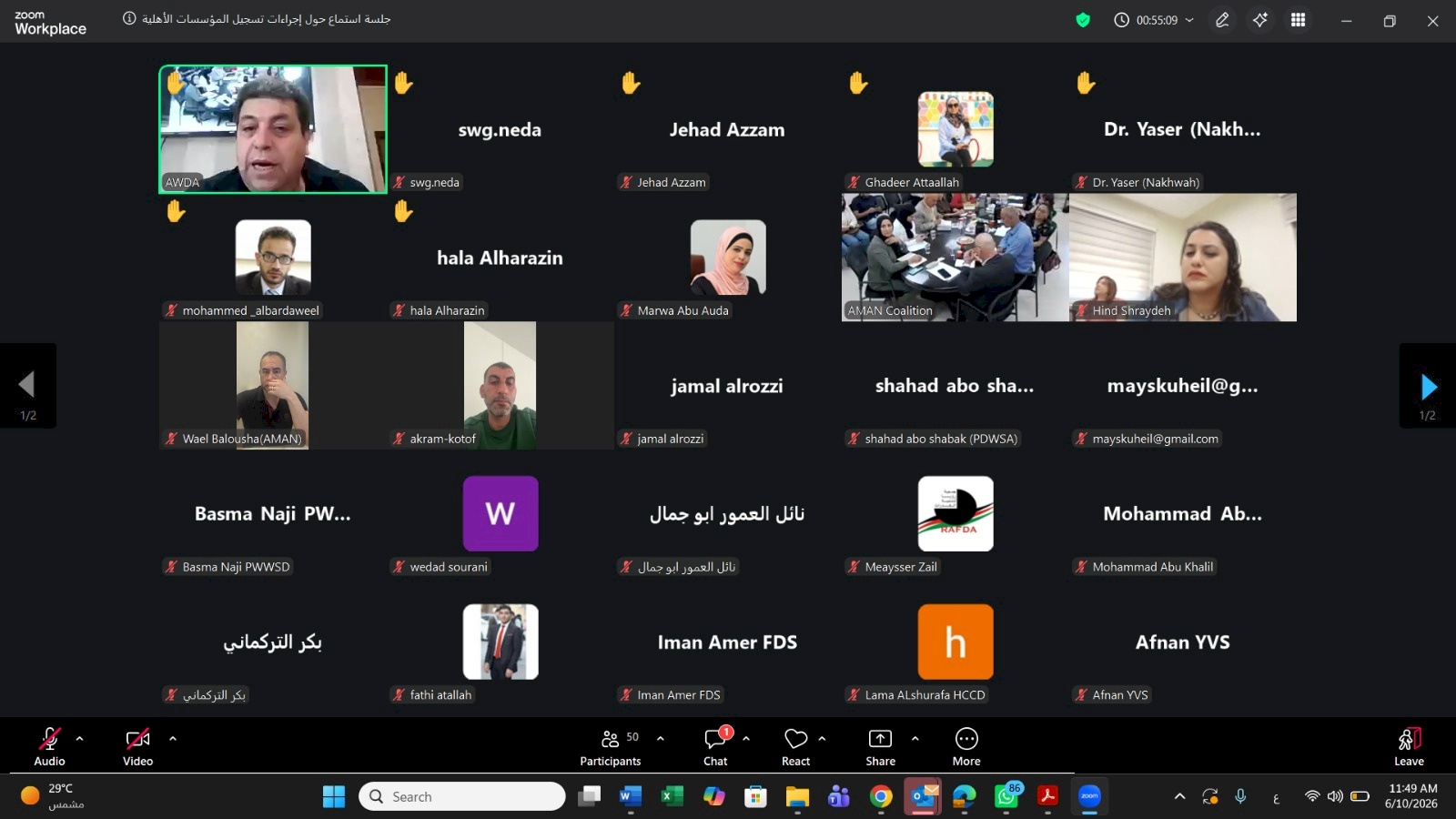
For his part, Hilaneh listened to the challenges facing institutions and responded to all questions raised during the session. He stressed the need to continue the discussion with the participation of representatives of the Palestine Monetary Authority and the Association of Banks in Palestine on issues related to banking transactions. He also reaffirmed the Ministry’s interest in strengthening dialogue in a way that supports the development of procedures and serves the public interest.
In conclusion, AMAN Coalition announced its intention to call for a follow-up session with the relevant parties, including the Association of Banks in Palestine, the Palestine Monetary Authority, the Financial Follow-up Unit, representatives of civil society organisations and the General Directorate of Associations, with the aim of discussing banking-related challenges.