Calling for strengthening the independence of the Public Prosecution through a law that regulates its work and defines its place within the political system
AMAN Coalition discusses a draft report on the independence of the Palestinian Public Prosecution and its impact on the integrity of governance
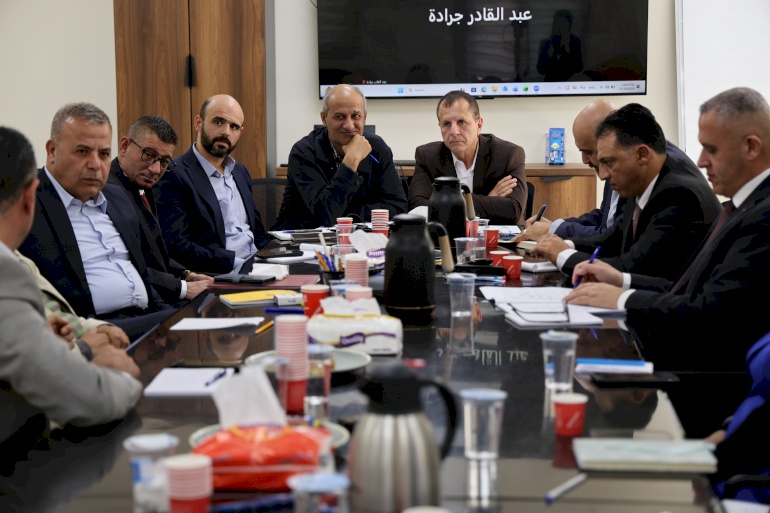
Ramallah – The Coalition for Integrity and Accountability (AMAN) held a consultative dialogue session to discuss the draft of its report titled “The State of Independence of the Palestinian Public Prosecution and Its Impact on Integrity in Governance.” The meeting brought together representatives from the State Audit and Administrative Control Bureau, the Anti-Corruption Commission, the Independent Commission for Human Rights, the Bar Association, and several civil society organizations concerned with justice, the rule of law, and the protection of civil liberties and human rights. The aim was to help shape reform policies for the Public Prosecution’s central office and strengthen its role in promoting integrity in governance.
The session was opened by AMAN’s Executive Director, Issam Haj-Hussein, who explained that the meeting aims to clarify the status of the Public Prosecution within the Palestinian constitutional system and its relationship to the governing structure and its three branches, the legislative, judicial, and executive. It also examines the impact of the Public Prosecution’s decision-making independence and how this reflects on the level of political integrity, given that it serves as the official prosecuting authority on behalf of the executive branch. The discussion further explores the extent to which its relationship with that branch affects its performance as the guardian of the public interest and the guarantor of the rule of law, as well as its role in combating corruption and preventing perpetrators from evading accountability. He noted that the prevailing policy of concealment and the prevention of access to information – most notably the refusal to allow interviews needed for preparing the report – remained a major obstacle.
In turn, the report’s author, researcher Majed Arouri, outlined the role of the Public Prosecution as the cornerstone of the criminal justice system, explaining its responsibility for initiating public legal action on behalf of society, protecting the public interest, ensuring respect for the law, and safeguarding rights and freedoms. By virtue of its position, the Public Prosecution serves as a safeguard that balances community security with guarantees of a fair trial and the reinforcement of the principle of equality before the law. Arouri noted that the instability in its relationship with the judicial and executive authorities, along with the suspension of the Legislative Council, has affected its independence and effectiveness.

A Gap Between Legal Texts and Actual Practice
The report presented a set of findings that highlight structural and functional shortcomings in the performance of the Public Prosecution, hindering its role in promoting justice and the rule of law. These findings reveal a clear gap between the legal provisions and what takes place in practice. The Palestinian Public Prosecution continues to operate within an incomplete legal framework, as no specific law exists to regulate its work. This has left it vulnerable to interference from the executive branch and weakened its ability to function as an independent prosecuting authority.
The mechanisms for appointing the Attorney General, prosecutors, and assistant prosecutors remain subject to the will of the executive branch, without meaningful participation from a functioning Legislative Council. This has undermined the institutional guarantees of independence and left specialized prosecution offices without an officially approved regulatory framework, contributing to weak coordination and negatively affecting the balanced performance of these offices in specialized fields such as economic crimes, cybercrimes, and anti-corruption cases.
Practical Challenges and Lack of Transparency and Accountability
The report emphasized the Public Prosecution’s limited role in handling corruption cases, often hindered by delays in processing cases with high political or financial sensitivity or those involving senior officials. There is no effective official oversight mechanism for prosecution decisions, including decisions to close cases or refer them for trial, and appeals to the Supreme Court on these decisions have a limited impact on ensuring accountability.
Compared to international experiences, the Palestinian Public Prosecution remains closer to a model tied to the executive branch and lacks the guarantees of independence, neutrality, and effectiveness seen in countries such as Morocco, Tunisia, or even Ukraine in corruption cases. In addition, the prosecution does not regularly issue detailed performance reports for the public, nor does it publish clear data on case closures, referral reasons, or judgment execution rates, which weakens transparency and public accountability and limits public confidence in its performance.
Enacting a Specific Law to Regulate the Public Prosecution
In this regard, the report stresses that the true development of the Public Prosecution can only be achieved through adopting a comprehensive reform vision for governance. This includes restructuring and clearly defining its administrative and financial relationships by expediting the enactment of an explicit law to regulate its work, implementing transparent and competitive appointment mechanisms that guarantee its independence from the executive branch, subjecting it to effective official oversight, and establishing an integrated system of internal and external control. Under this framework, the Public Prosecution would be required to issue periodic public reports on performance as well as decisions to close or refer cases, thereby strengthening internal accountability and ensuring compliance with professional standards.
Transparency, Accountability, and Partnership
The report highlighted the importance of publishing all announcements related to appointments, positions, and competitions on an official website and a specific Public Prosecution portal to enhance transparency for the public. It also recommended obligating the prosecution to issue a detailed annual report for the public, including performance statistics, case closure and referral rates, and their underlying reasons, thereby reinforcing public trust in its work. Furthermore, the report emphasized the necessity of adopting a partnership policy with civil society organizations and human rights bodies, and signing cooperation protocols with the Anti-Corruption Commission to ensure integration and avoid duplication of procedures.
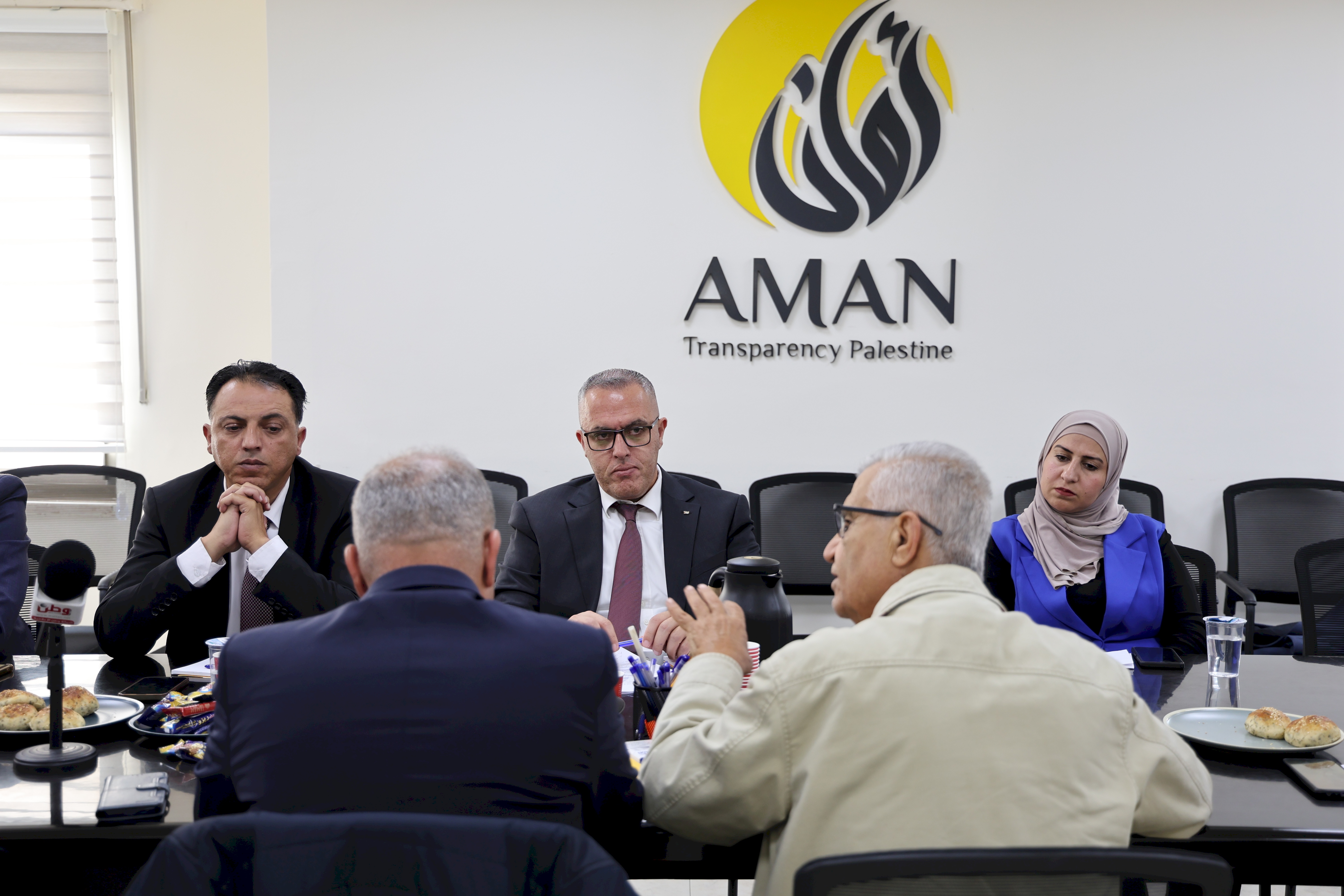
Expert Observations on the Public Prosecution
To begin with, lawyer Karim Hammoud from the Bar Association recommended strengthening the Public Prosecution’s personnel by establishing an Investigating Judge within the Criminal Procedure Law to ensure effective investigative oversight over detention and extension decisions. He noted that the Public Prosecution in the governorates faces increasing pressure, which has led to the routine referral of many cases directly to the courts as received from the judicial police, without conducting actual investigations. Hammoud pointed out that this approach undermines the defendant’s right to present defenses and evidence, emphasizing that allowing the defendant to submit evidence before the prosecution could lead to early decisions of acquittal.
Next, Mr. Jaffal Jaffal, Director General of the State Audit and Administrative Control Bureau, noted that the Bureau has issued several reports concerning the Public Prosecution’s financial and administrative aspects, including a previous report on appointments in the prosecution, which resulted in the annulment of competition results at that time based on the Bureau’s recommendations. He also highlighted the problem of transferring employees from the civil service to the Public Prosecution without regulatory safeguards. Jaffal pointed out that the Public Prosecution was not included in the general budget before 2013, raising questions about its independence and whether it should be considered an institution or a branch of the judiciary. He explained that prosecution decisions are divided into administrative, subject to administrative oversight, and judicial, subject to safeguards preserving judicial independence. He stressed that independence must be granted to the supreme oversight bodies and the judiciary in areas such as the appointment of the Council President, judges, and prosecutors, and not only in financial and administrative matters.

Then, Dr. Azmi Al-Shuaibi, Anti-Corruption Advisor to the Board of the Coalition for Integrity and Accountability (AMAN), explained that one of the key pillars of integrity in governance is reflected in the fairness of access to power, whether through election or appointment. This requires clear, transparent, and publicly announced mechanisms for appointing the heads of oversight and judicial institutions, ensuring their effectiveness and independence in monitoring the executive branch. Al-Shuaibi clarified that the President’s appointment of the Attorney General does not compromise the latter’s independence once in office because the President’s decision formally recognizes the appointment without determining the office’s independence or authority. The Legislative Council has taken the position that the Public Prosecution is part of the judiciary, and the Basic Law does not grant the President authority over it.
Al-Shuaibi added that the criteria for selecting the Attorney General and the methods of reaching the position are unclear and not based on a job description or established public rules that ensure equal opportunity. He emphasized that independence means the officeholder is not subject to any external pressures and is committed to the rule of law, stressing that promoting integrity in governance and serving the public interest require the Attorney General to be fully independent in his decisions.
Meanwhile, Ashraf Abu Hayyeh from Al-Haq explained that the independence of the Public Prosecution and the Attorney General is a fundamental component of the Palestinian political system, noting that the guarantees governing appointment and removal form the core of this independence. He pointed out that comparative political experiences, including ongoing discussions in the state of Israel, which occupies Palestinian territories, regarding the position of the Legal Adviser, illustrate how political influence over justice positions can directly undermine the integrity of governance as well as the effectiveness of oversight and accountability. Abu Hayyeh emphasized that the historical sidelining of the Legislative Council’s oversight role lies at the root of the problem, stressing that upcoming constitutional drafts and legal reforms must include clear provisions to ensure the separation of powers and the independence of the Attorney General’s office.
He also referred to the 2023 recommendations of the Human Rights Committee under the International Covenant on Civil and Political Rights, which expressed concern over the impact of recent amendments to the Judicial Authority Law on the independence of the judiciary and the Public Prosecution. The committee called on the State of Palestine to review appointment mechanisms to guarantee transparency, neutrality, and competence in selecting judges and prosecutors. He added that the absence of prosecutorial independence directly affects citizens’ lives in the form of detention cases during the state of emergency and also influences the handling of corruption cases whether in pursuing or ignoring them, which in turn undermines public trust in the justice system and the political system as a whole.
In turn, Ammar Jamous from the Independent Commission for Human Rights delivered a statement emphasizing that the debate over the nature of the Public Prosecution – whether it is part of the judiciary or the executive – should not affect a fundamental principle, namely that investigative procedures affecting personal liberty, such as detention, searches, and travel bans, must be authorized by a judicial order, in accordance with the provisions of the Basic Law. He noted that current practice grants the prosecution the authority to conduct searches and detain individuals for up to 48 hours without referring to a court, which contradicts the principle of the supremacy of the Basic Law.
Jamous also explained that the root of the problem lies in the elimination of the Legislative Council’s role in approving the appointment of the Attorney General. He called for a gradual return to the legal framework prior to the 2019 and 2020 amendments, particularly the 2000 Judicial Authority Law, which he considered a more balanced and suitable framework for ensuring judicial independence.
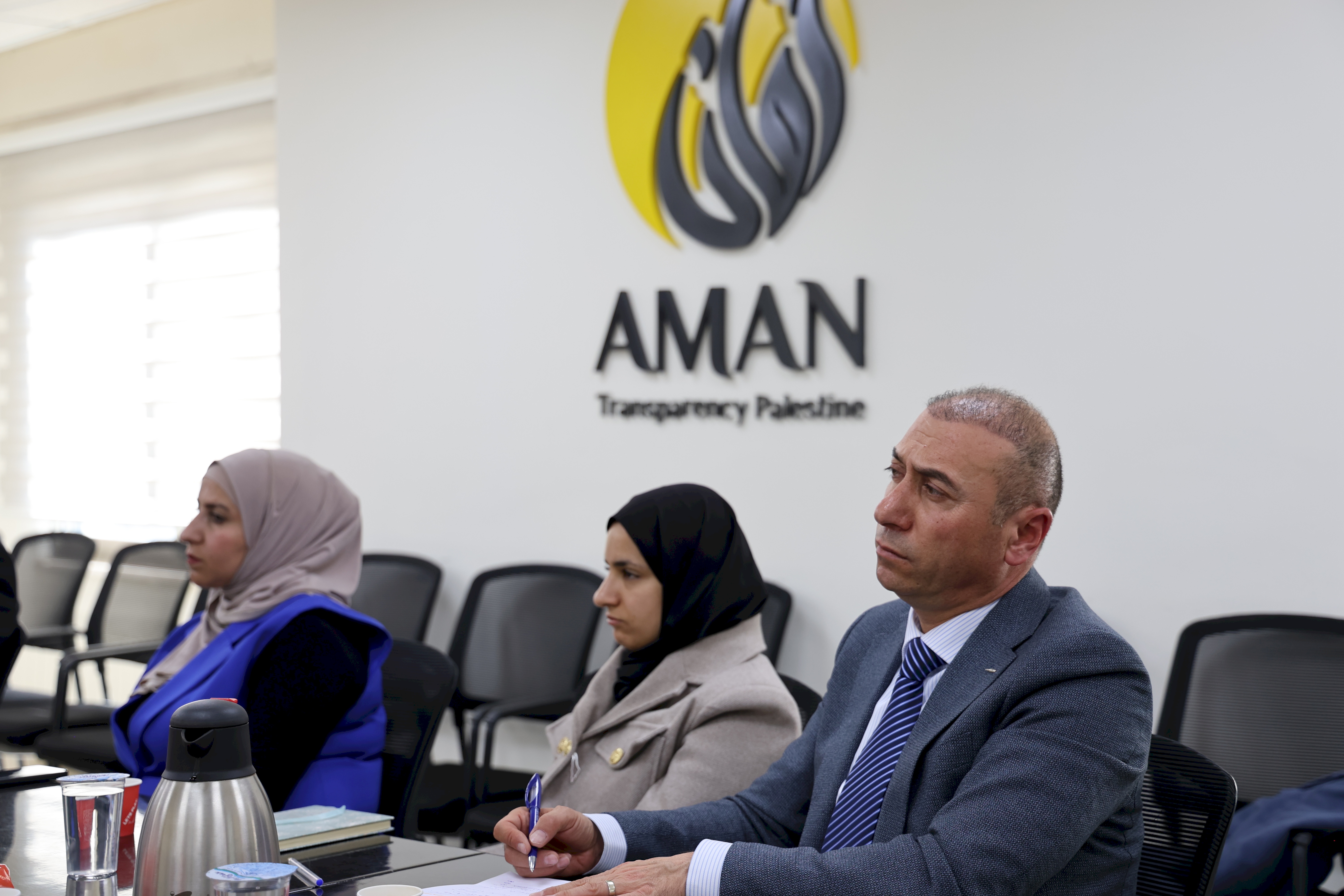
In turn, university lecturer and lawyer Dr. Ayman Thaher emphasized that legislative confusion and the hierarchical structure based on internal instructions within the Public Prosecution reinforce its subordination to the executive branch and negatively affect its performance, including the high acquittal rates in magistrate courts. He recommended enacting a specific law that clearly defines the identity of the Public Prosecution and resolves the ongoing ambiguity regarding its nature.
Additionally, Hala Mar’i from Lawyers for Justice presented three main observations regarding the position and role of the Public Prosecution, stressing that any discussion of a specific law for the prosecution must first be linked to a review of the Government Claims Law, which reclassified the prosecution’s role between criminal representation and representing the state in certain rights-related cases. She explained that, in practice, the prosecution exercises executive functions with broad authority, whether in gathering evidence, controlling information, or managing case extensions, making it an unequal party relative to the defense.
She further noted conflicts and discrimination in representing government entities before the courts, where the Public Prosecution’s role overlaps with that of private lawyers, creating jurisdictional disputes and affecting the court’s perception of the nature of such representation. She also highlighted the problematic role of the prosecution in civil cases, particularly regarding enforcement, and the delays that impact individual rights. She emphasized that this overlap of roles makes the enforcement process unclear and reinforces the confusion over authorities, which calls for clear legislative and regulatory solutions.