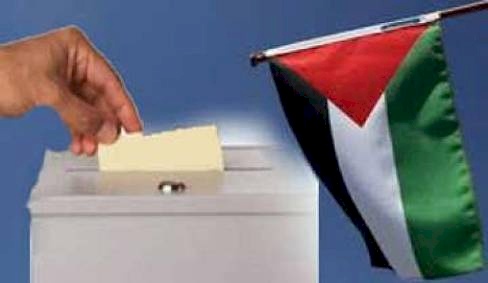
Having the Presidential Decree on National Elections passed,
AMAN calls on all parties to comply with the rules of integrity and standards of transparency to ensure free and fair elections
The Coalition for Accountability and Integrity (AMAN) welcomes the enactment on 15 January 2020 of the presidential decree on holding legislative, presidential, and Palestinian National Council elections in the West Bank, including East Jerusalem, and Gaza Strip. AMAN is of the view that elections are a national need and a key pillar of democracy enshrined in the Palestinian Basic Law. Reflecting the principle of the separation of executive, legislative, and judicial powers, elections serve as an important step towards ending the internal political divide, consolidating state institutions in the West Bank and Gaza, and rehabilitating obstructed formal accountability, and promoting oversight of public administration and public finances.
AMAN calls on all relevant actors to work diligently towards overcoming any challenges to the democratic election process. Stakeholders need to abide by the following rules and principles:
- Respect the rule of law and comply with the provisions of the Palestinian Basic Law and Elections Law.
- Ensure respect for public freedoms, right to freedom of expression, freedom of information, and right to freedom of peaceful assembly for all parties involved in the election process.
- AMAN calls on the authorities in the West Bank and Gaza Strip to refrain from taking any pre-emptive action at the institutional, organisational and legal levels of the State of Palestine institutions or centres of power. No appointments, promotions, transferences of any high-category state personnel can be made ahead of the elections.
- Security agencies should maintain neutrality. They may not intervene in the election process in any form, except as prescribed by law.
- Public servants, particularly high-category employees, may not use their positions to propagate any candidates competing in the election process. They may not use public resources and properties in the election campaign.
- Citizens’ right of access to relevant information from all actors should be honoured. All information on the conduct of elections should be disclosed, together with the sources of financing election campaigns, starting with the Central Elections Commission (CEC) and ending with lists of candidates.
- The principle of equal opportunities among all candidates, parties, and electoral lists should be respected within the framework of a fair competition. This should involve setting expenditure ceilings. As a national, rather than partisan, media outlet, the official media will be readily and fairly accessible by all candidates, parties and lists in election campaigns.
- The Electoral Court should be established. Members will be selected from among judges of proven impartiality and integrity to ensure effective and independent functions.
- Candidates and representatives of electoral lists and political parties should comply with the code of fair conduct and principles outlined by the Elections Code of Ethics, agreed by political parties and factions in 2005. When they form their lists, parties and factions should not include any candidates involved in corruption cases.
- The code of professional conduct for CEC members and staff will be put to work.
- In the composition of electoral lists, various parties, factions and blocs should ensure a fair representation of women and youth in the national elections.